
Education
Best Career Paths for Commerce and Finance Graduates


Commerce and finance graduates we have advice for career paths for commerce graduates who stand at a critical connection in their professional journey, with multiple rewarding career paths available across industries. Your degree opens doors to roles that demand analytical thinking, financial acumen, and business strategy skills. The job market offers both traditional and innovative opportunities that leverage your educational foundation.
Chartered Accountancy Gold Standard
Your first career option involves chartered accountancy, a profession that commands respect and financial rewards in the business world. Chartered accountants work with corporations, government agencies, and startups to manage finances, ensure compliance, and provide strategic advice. This path requires commitment and specialized qualifications, but the payoff includes job security, high earning potential, and continuous professional growth. The role typically leads to positions such as audit manager, tax consultant, or CFO as you advance.
Financial Analysis & Corporate Strategy
Financial analysis represents another compelling direction for graduates with a quantitative mindset. Financial analysts evaluate investment opportunities, study market trends, and provide recommendations to guide business decisions. These professionals work across banks, insurance companies, investment firms, and multinational corporations. Your analytical skills from commerce coursework translate directly into this role, where you’ll interpret financial data and influence strategic decisions that shape organizational performance.
Investment Banking Opportunities
Investment banking offers high stakes opportunities for those seeking dynamic environments and substantial compensation packages. Investment bankers assist corporations and governments in raising capital, facilitate mergers and acquisitions, and guide major financial transactions. This career path typically requires additional education such as an MBA in Finance, but the prestige and earning potential make it an attractive goal for ambitious graduates.
Banking Sector Stability and Growth
Banking sector careers deserve special attention as they provide secure, high-paying positions for commerce graduates. Banking Jobs in Pakistan represent a secure and high-paying sector, offering roles ranging from customer service officers to relationship managers. Banks provide structured career progression, good benefits packages, and opportunities to work across various departments including retail banking, corporate banking, and treasury operations. The sector’s stability and growth make banking an excellent choice for graduates prioritizing financial security.
Fintech and Digital Marketing
Digital marketing and fintech specialization have become increasingly relevant for commerce graduates in the 2020s. These roles combine business knowledge with technology, creating opportunities in e-commerce management, digital payment solutions, and marketing analytics. Your commerce background provides the business acumen that tech focused companies desperately need. You can leverage technical skills to launch fintech startups or join innovative companies disrupting traditional finance.
Business Intelligence & Analytics
Business intelligence and data analytics careers attract commerce graduates interested in transforming raw data into actionable insights. Companies across sectors need professionals who can analyze financial data, identify patterns, and present findings to executives. Your accounting and finance knowledge positions you perfectly for roles involving financial data analysis, business forecasting, and strategic planning.
Entrepreneurship and Consulting
Entrepreneurship remains an excellent option for graduates with business vision. Armed with commerce knowledge, you can establish consulting firms, launch e-commerce businesses, or create financial services startups. Many successful entrepreneurs leverage their academic foundation to identify market gaps and build sustainable ventures that generate substantial returns.
Your career path should align with your interests, strengths, and long-term aspirations. Whether you want chartered accountancy, banking roles, investment analysis, fintech innovation, or entrepreneurship, your commerce degree provides the foundational knowledge needed for success. The finance and business sectors continue expanding, offering multiple advancement opportunities. Invest in continuous learning through certifications and upskilling to remain competitive and maximize your career potential.

Modern workplaces demand leaders who can navigate complexity, inspire teams, and deliver results in an ever-changing business landscape. Moving into a managerial role is not just about experience it requires a deliberate effort to build the right skills and mindset. With structured training, professionals can transform their potential into effective leadership, ensuring they are ready to meet the challenges of today’s competitive environment.
Leadership is not simply about giving orders; it is about creating a vision, fostering collaboration, and driving results. Managers are expected to balance operational efficiency with innovation, all while maintaining a positive workplace culture. This is why structured managerial training is essential; it equips professionals with the tools and confidence to lead successfully.
Why Managerial Training Matters
Managerial training bridges the gap between technical expertise and leadership capability. Many professionals excel in their roles but struggle when promoted to management because leadership requires a different skill set. Training programmes help individuals develop competencies such as decision-making, conflict resolution, and strategic planning, which are critical for effective leadership.
Moreover, organisations increasingly recognise that strong managers are key to employee engagement and retention. A well-trained manager can motivate teams, manage resources efficiently, and adapt to changing business landscapes. Investing in managerial training is not just beneficial for individuals, it is a strategic move for businesses aiming to thrive in competitive markets.
Core Skills Every Business Manager Needs
To succeed as a business manager, you need a diverse range of skills that go beyond technical knowledge. Here are some of the most important:
- Communication Skills
Clear and effective communication is the cornerstone of leadership. Managers must articulate goals, provide feedback, and ensure that team members understand expectations. Strong communication also involves active listening, empathy, and the ability to tailor messages to different audiences. - Strategic Thinking
Managers are responsible for aligning team objectives with organisational goals. Strategic thinking enables leaders to anticipate challenges, identify opportunities, and make informed decisions that drive long-term success. - Financial Acumen
Understanding budgets, forecasting, and financial reports is essential for managers. Financial literacy ensures that resources are allocated wisely and that projects remain cost-effective. - Problem-Solving and Decision-Making
Managers often face complex challenges that require quick and effective solutions. Training in problem-solving techniques and decision-making frameworks helps leaders navigate uncertainty with confidence. - People Management
Managing people is one of the most challenging aspects of leadership. It involves motivating employees, resolving conflicts, and fostering a positive work environment. Strong interpersonal skills are crucial for building trust and maintaining team morale. - Adaptability and Resilience
The business world is constantly evolving. Managers must be adaptable, embracing change and guiding their teams through transitions. Resilience ensures that leaders remain focused and composed under pressure.
For professionals seeking a structured pathway to develop these capabilities, a diploma of business delivered through recognised providers such as MCI Institute offers comprehensive training in leadership, management, and operational strategy.
Benefits of Pursuing Managerial Training
Investing in managerial training delivers numerous benefits for both individuals and organisations:
- Career Progression: Training enhances your qualifications, making you a strong candidate for promotions and leadership roles.
- Confidence in Leadership: Equipped with the right skills, managers can lead teams effectively and make decisions with assurance.
- Improved Team Performance: Well-trained managers create environments where employees feel valued and motivated, leading to higher productivity.
- Organisational Growth: Strong leadership drives innovation, efficiency, and profitability, contributing to overall business success.
How to Choose the Right Training Programme
Selecting the right managerial training programme is crucial. Consider the following factors:
- Accreditation: Ensure the programme is recognised and meets industry standards.
- Curriculum: Look for courses that cover essential skills such as leadership, communication, and financial management.
- Flexibility: Many professionals prefer programmes that offer online or blended learning options to accommodate busy schedules.
- Practical Application: Choose training that includes real-world case studies and projects to apply theoretical knowledge effectively.
The Future of Leadership
As businesses continue to evolve, the demand for skilled managers will only increase. Leadership roles are no longer confined to traditional hierarchies; they require agility, innovation, and a commitment to continuous learning. By investing in managerial training today, you position yourself for success in a dynamic and competitive marketplace.
Final Thoughts
Stepping into a leadership role is a significant achievement, but it comes with responsibilities that require preparation and adaptability. Strong managerial skills enable leaders to guide teams effectively, make informed decisions, and foster a positive workplace culture. By committing to continuous learning and embracing the challenges of leadership, professionals can not only succeed in their roles but also inspire those around them to achieve their best. Leadership is a journey one that thrives on growth, resilience, and a clear vision for the future.

For countless individuals, education is the bridge to opportunity and success. However, the costs associated with higher learning can be monumental, leaving many capable minds on the sidelines. The National Center for Education Statistics disclosed that for the 2019-2020 academic year, the average annual cost for undergraduate tuition, fees, room, and board was approximately $24,600 at public institutions and $51,900 at private nonprofit institutions.
Recognizing this challenge, scholarships emerge as a powerful tool in democratizing education and supporting students in pursuit of their dreams. Scholarships can indeed transform lives and pave the way for a brighter future. Below, we explore the role scholarships play in empowering students and shaping communities.
Unlocking Potential Through Educational Opportunities
Scholarships do more than just defray the cost of education; they unlock the potential of students by giving them access to learning experiences they might otherwise miss out on. With financial aid, recipients often choose more challenging institutions or fields of study, broadening their career horizons.
Statistics illustrate the impact of this support. According to the Education Data Initiative, scholarship recipients have a 5% higher rate of completing their degrees compared to non-recipients. This demonstrates the vital push scholarships can provide to students who might be on the verge of abandoning their academic goals due to financial strain.
To leverage this support, it’s wise for students to research and apply to a diverse range of scholarships, from local community offerings to larger programs. For instance, there are scholarships for high school students that are designed to support the next generation of leaders and innovators.
Scholarships as a Catalyst for Overcoming Financial Barriers
Financial barriers pose a significant obstacle to higher education enrollment and completion. Scholarships attack this issue directly, alleviating the financial pressures that might deter a student from attending college or force them to work excessive hours alongside their studies.
Data from the National Postsecondary Student Aid Study reveal that in 2015-2016, about 58% of undergraduates received some form of scholarship or grant aid. This financial assistance is pivotal, as it allows students to focus more intently on their education rather than the burden of student loan debt, which averages $36,510 per borrower, according to the Federal Reserve.
Students and families should begin their search for financial aid early and not overlook scholarships with smaller awards. Each scholarship won, regardless of its size, reduces the dependence on student loans and eases the post-graduation financial load.
The Ripple Effect of Scholarships on Communities and Economies
When a student receives a scholarship, the impact goes beyond the individual. Scholarships have a ripple effect, enhancing communities and bolstering local economies. Educated individuals often contribute more in taxes and are less likely to need public assistance.
Scholarships also empower recipients to give back to their communities. A report by the Association of American Colleges & Universities underscores that those with higher educational attainment are more likely to be involved in community service. This cyclical pattern enriches both individuals and the areas they inhabit.
Communities should therefore support scholarship funds and recognize the broad social and economic benefits they provide. By increasing educational attainment, scholarships can lead to more engaged citizens and stronger economies.
Real-Life Success Stories: Transformations Fueled by Scholarships
In examining the transformative power of scholarships, real-life success stories serve as the most compelling evidence. Scholarship recipients often go on to achieve remarkable feats in various sectors, from scientific research to public service.
Profiles of leaders in numerous industries frequently highlight humble beginnings and transformative scholarships that set them on their path to success. For example, former U.S. Secretary of State and National Security Advisor Condoleezza Rice has cited scholarships as pivotal in her academic journey.
Sharing these narratives can inspire current students to pursue scholarships and motivate donors and organizations to continue funding these life-changing opportunities. Success stories illustrate the tangible results of academic financial aid and the long-term benefits of investing in young minds.
Overall, scholarships are not mere financial aids; they serve as levers of social equity and engines of long-term success for both individuals and communities. By investing in education through scholarships, society paves the way for a more informed and productive populace, showcasing the profound and often underestimated value of these opportunities.

Studying the Holy Quran is a very personal and spiritual process. Nowadays, through the favor of technology, students have no difficulties about finding the best Quran teacher online and have an opportunity to attend the best online Quran classes USA in the comfort of their homes. Online learning has ensured quality education of the Quran to be accessible, flexible and productive to all students of all ages living in the USA.
Qualities of the Best Quran Teacher Online
The best Quran teacher online is someone who is not only knowledgeable about Islam but also patient and skilled in communication. A master teacher has appropriate training in Tajweed, fluent recitation and sound knowledge of the Quranic rules. Good teachers are supportive and respectful and can tailor the lesson to the learning pace of the student. They also help bring a relaxed atmosphere in which students feel at ease asking questions and enhancing their level of recitation bit by bit.
How to Find the Best Online Quran Classes USA
To locate the best online Quran classes USA, one has to consider the quality of teaching, structure and support of the course to the students. Reliable sources, as a rule, provide trial classes, qualified tutors, and customized schedules convenient for time zones in the USA. Reviews and testimonials are another way for parents and students to pick the trusted Quran programs. The best online Quran academy has precise learning objectives, the development of progress, and timely feedback to facilitate a consistent upgrade.
One-on-One Sessions with the Best Quran Teacher Online
The most important aspect of learning from the best Quran teacher online is the one-on-one sessions. The teacher can devote maximum attention to each student during these individual lessons. Mistakes in pronunciation, Tajweed and fluency are instantly corrected. Personal sessions also make teachers concentrate on personal strengths and weaknesses, and learning is easier and quicker than learning in a group.
Teaching Methods Used in Best Online Quran Classes USA
The best online Quran classes USA are fully interactive and have easy methods of teaching. Common lessons involve screen sharing, the recitation of audio, and the repetition and revision of daily lessons. Easy language is applied by teachers to explain Tajweed rules and examples are used to make them clear in the learning. Constant testing and revision classes enable the students to gain confidence and become more accurate with time. The strategies ensure that the students remain active and committed in their Quran learning process.
Benefits of Learning from a Professional Quran Teacher Online
Learning from the best Quran teacher online has several advantages. Students save travel time and can study at home. Online classes offer flexibility in time schedules, which is very useful to the busy families in the USA. By instructing them perfectly, the students learn how to pronounce English words correctly, how well to apply Tajweed and gain better attachment to the Quran. With the frequent updates, parents can track their child’s progress.
Why Students Trust the Best Online Quran Classes USA
The quality of their consistency, transparency, and outcomes causes students to believe in the best online Quran classes USA. Trust is developed in the long term by certified teachers and structured courses and supportive learning environments. These are not only recitation classes but also understanding and application classes of the Quranic teachings in day-to-day life. Tried platforms make students feel encouraged in the process of learning.
Make the right selection of the best Quran teacher online and join the best online Quran classes USA which will make a difference in the way you learn Quran. TarteeleQuran is a great option in case you are seeking reliable guidance, competent educators, and convenient online education. Browse their classes now and do yourself a service to learn how to recite the Quran and comprehend it with a feeling of security.

Indian students researching postgraduate degrees abroad often come across two confusing options: Master of Science (MSc) and Master in Management (MiM). While both degrees are popular in Europe, they serve different academic goals and career paths.
Understanding the difference between these programs is critical for choosing the right degree—and avoiding costly mistakes.
What Is a Master of Science (MSc)?
A Master of Science is a postgraduate degree focused on specialised knowledge and analytical skills. In Europe, an MSc is not restricted to science or engineering—it also includes management, business, finance, and analytics programs.
Popular MSc programs among Indian students include:
- MSc in Management
- MSc in Finance
- MSc in Business Analytics
- MSc in International Business
An MSc degree is ideal for students who want depth in a specific field rather than broad managerial exposure.
Key features of a Master of Science:
- Strong focus on analytics and problem-solving
- Industry-aligned curriculum
- Suitable for fresh graduates and early professionals
- Often includes mandatory internships
Trending Indian searches:
- What is Master of Science degree
- MSc full form and meaning
- Is MSc good for jobs abroad
What Is a Master in Management (MiM)?
A Master in Management is a specialised management-focused postgraduate program designed primarily for students with little or no work experience.
Unlike an MBA, a MiM builds foundational business knowledge while preparing students for international corporate roles.
Who should choose a Master in Management?
- BCom, BBA, BA graduates
- Engineering students switching to business careers
- Students planning early global exposure
In many European education systems, a MiM is technically awarded as a Master of Science, but its structure and intent are different.
High-volume searches in India:
- Master in Management vs MBA
- Is MiM better than MBA
- Master in Management eligibility
Master of Science vs Master in Management: Key Differences
| Factor | Master of Science | Master in Management |
| Focus | Specialisation | General management |
| Work Experience | Not mandatory | Not required |
| Ideal For | Domain-focused careers | Business & leadership roles |
| Curriculum | Analytical & technical | Strategic & managerial |
For Indian students, this distinction matters more than the degree title itself.
Why Indian Students Prefer MSc and MiM Over MBA Abroad
The traditional MBA model requires significant work experience and higher investment. In contrast, MSc and MiM programs offer:
- Lower tuition fees
- Shorter program duration
- Early entry into global job markets
- Strong internship integration
As a result, Indian students increasingly search for:
- MSc vs MBA salary comparison
- Best alternative to MBA abroad
- Management degree without work experience
Internship and Job Opportunities After MSc or MiM
One major advantage of European master’s programs is the mandatory internship structure. Many MSc and MiM programs require students to complete internships lasting 4–6 months as part of the degree.
Benefits include:
- Real international work experience
- Higher chances of full-time job conversion
- Better employability across Europe
Graduates commonly work in roles such as:
- Business Analyst
- Strategy Associate
- Management Consultant (entry-level)
- Operations or Finance Analyst
Are These Degrees Taught in English?
Yes. Most Master of Science and Master in Management programs targeted at international students are fully taught in English.
Important points for Indian students:
- No foreign language requirement at admission
- English degrees are globally recognised
- Language learning support is usually available
This removes one of the biggest barriers students associate with studying in Europe.
Why Europe and Especially France – Is Gaining Attention
France has emerged as a strong destination for MSc and MiM programs due to:
- Globally accredited degrees
- Affordable tuition compared to the UK and US
- Strong industry presence across consulting, technology, luxury, and finance
Institutions such as TBS Education are part of this broader ecosystem that emphasizes internships, employability, and international mobility rather than purely academic theory.
How to Choose the Right Degree
Ask yourself:
- Do I want specialisation or general management?
- Do I want to enter the job market quickly?
- Am I aiming for international roles early in my career?
If you want domain depth → Master of Science
If you want business fundamentals → Master in Management
FAQs
Is a Master of Science better than an MBA?
For fresh graduates, an MSc often provides better ROI than an MBA, especially abroad.
Can Indian students apply for a Master in Management?
Yes. Most MiM programs are designed specifically for students with little or no work experience.
Is MSc recognised in India and abroad?
Yes. A Master of Science degree from an accredited European institution is globally recognised.
What is the duration of MSc and MiM programs?
Most programs last 12–24 months, depending on structure and internship requirements.
Final Thoughts
For Indian students planning postgraduate studies abroad, understanding the difference between Master of Science and Master in Management is essential for making a smart, future-proof decision.
Instead of choosing based on popularity or country perception, students should evaluate degree structure, employability, and career alignment—the factors that truly drive long-term success.

Key Takeaways
- Interactive storytelling and read-aloud activities enhance comprehension and foster student engagement.
- Hands-on learning and sensory activities support diverse learners and enhance retention.
- Movement, technology, and props promote attentiveness and interactive learning.
- Setting clear goals and celebrating student progress ensures ongoing engagement and growth
Fostering excitement and curiosity in young children is the foundation of effective kindergarten teaching. When early learners experience lessons that spark their natural interests, they develop a passion for discovering new things. Utilizing strategies such as interactive storytelling and hands-on exploration, teachers can transform ordinary lessons into unforgettable experiences. For educators seeking resources to boost engagement, kindergarten writing worksheets are an excellent tool for blending creativity and foundational skills from the start.
Thoughtful lesson planning isn’t just about meeting standards—it’s about nurturing an environment where every child feels included and inspired. By combining movement, sensory play, technology, and clear feedback, children are empowered to take ownership of their learning while having fun. Engaging all senses and accommodating various learning styles can have a profoundly positive impact that extends well beyond the classroom.
Interactive Storytelling and Read-Alouds
Storytime is magical for kindergartners, especially with props, voices, and participation. Leading a lively read-aloud involves expressive tones, character voices, and encouraging predictions or acting out. These methods help children connect emotionally, improve listening, and boost comprehension. Storytelling also allows addressing social-emotional themes, helping students see themselves in stories. For example, pausing during The Very Hungry Caterpillar to ask, “How do you think the caterpillar feels?” fosters discussion and supports language development—key to kindergarten readiness and success.
Incorporate Hands-On Activities
Young children are natural explorers—learning best when they can see, touch, build, and experiment. Incorporate hands-on activities, such as sorting shapes, building block towers, or planting seeds, as part of science and math lessons. These approaches actively engage children’s senses, making abstract concepts real and memorable.
Beyond academic lessons, hands-on projects boost critical thinking, collaboration, and fine motor skills. For example, art sessions with clay or collage support creativity while embedding valuable foundational skills. The key is offering plenty of open-ended materials and time for children to experiment, invent, and take pride in their accomplishments.
Integrate Movement into Lessons
Teaching kindergarteners often means embracing wiggles and high energy. Rather than fighting it, channel it! Integrating movement—like dance breaks, musical chairs, or acting out animals during a science unit—releases pent-up energy and renews focus. You can also embed movement directly into academics, such as counting hops or jumping to letter mats for spelling practice. These kinesthetic approaches benefit physical health and mental alertness.
Utilize Props and Puppets
Props and puppets make lessons tangible and relatable. Introducing a storybook with a beloved stuffed animal or asking a puppet to introduce a new math activity can instantly capture students’ attention and curiosity. These visual and tactile cues create lasting memories and encourage shy students to participate through role-play and dialogue. Rotate props or assign students as “prop helpers” for added engagement and responsibility.
Incorporate Sensory Learning Activities
Children make sense of their world through multisensory experiences. Sensory learning activities—like a texture scavenger hunt, water play, or musical sound-matching—activate multiple brain pathways and reinforce learning. Not only do these activities enhance vocabulary, observation skills, and memory, but they also support children with sensory processing needs. Simple daily additions, such as scented playdough or tracing letters in sand, can transform lessons into immersive experiences.
Leverage Technology
Incorporating technology wisely prepares children for the digital world ahead. Interactive whiteboards, educational games, and apps can supplement traditional instruction and spark students’ interest. Many platforms offer adaptive content for reading and math, allowing students to progress at their own pace. Teachers should select age-appropriate, ad-free resources and balance screen time with active, hands-on exploration.
Establish Clear Goals and Provide Feedback
Setting clear objectives helps children know what’s expected of them. Break down tasks into simple, achievable steps, and refer to these goals throughout lessons. After an activity, give prompt, specific feedback: “I noticed you used three colors in your drawing! Tell me about your choice.” Use visual reward charts, sticker systems, or group celebrations to reinforce positive progress and encourage a growth mindset. Constructive feedback guides learners gently toward improvement, building confidence for future challenges.
Conclusion
Kindergarten is a time of wonder, growth, and boundless possibility. By weaving together creativity, structure, and engagement strategies, teachers lay the groundwork for lifelong learning. From storytelling circles to science experiments, every lesson can be an opportunity for students to build skills—and a love of learning—that lasts a lifetime. By tapping into students’ natural curiosity and energy, educators ensure that every child feels valued and excited about their educational journey.
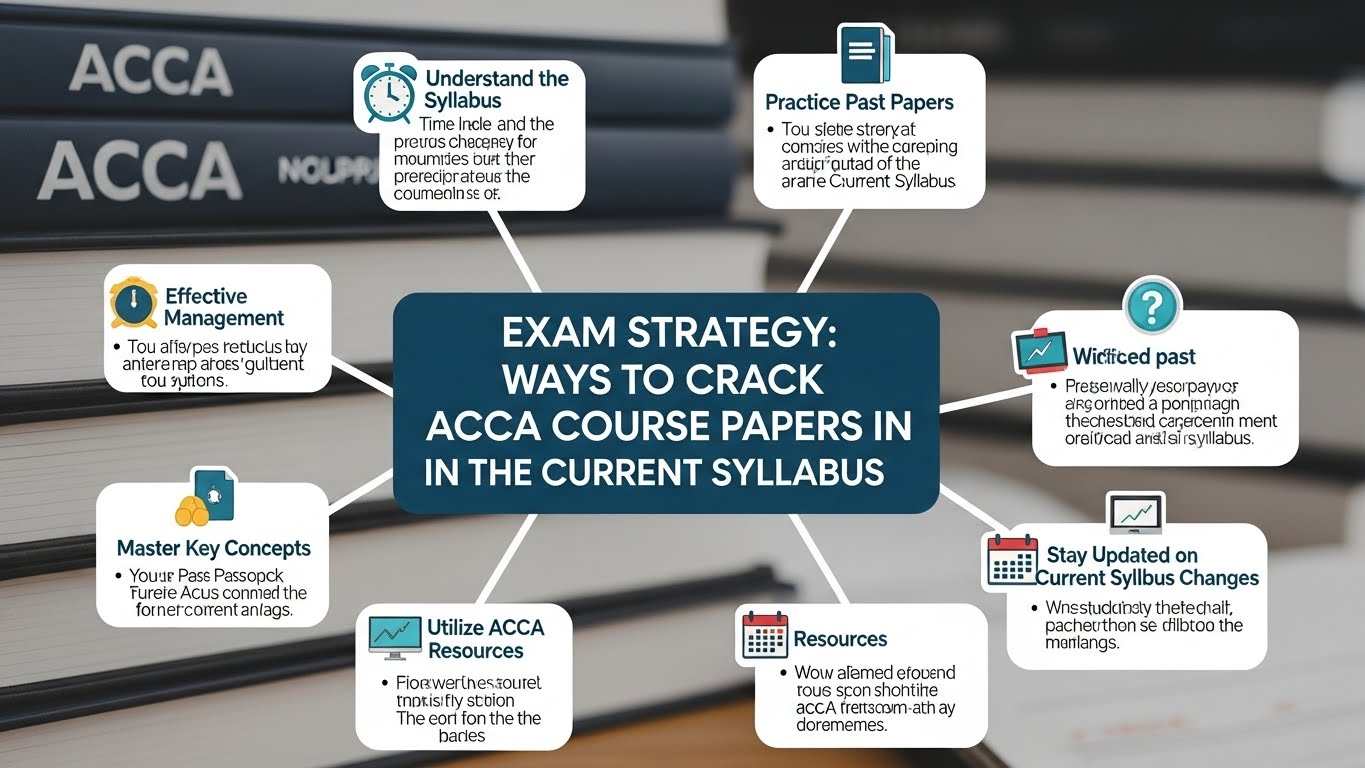
Clearing ACCA course papers under the current curriculum requires a combination of conceptual understanding, time management, and exam technique. With current syllabus updates that prioritize application-based questions and real-world scenarios, the course assesses how effectively you apply knowledge to practical business scenarios.
To succeed, candidates should adopt a focused study plan that balances theory with practice! Regular mock exams, determining ACCA course details, efficient revision cycles, and the use of resources to align with the latest exam trends.
Practical Ways to Clear ACCA Course Papers With Latest Curriculum
1. Determine the Latest Syllabus and Exam Format
Before commencing your preparation, you should review the ACCA course details, including the latest syllabus and assessment structure. Each exam paper is written to include specific learning outcomes, relevant assessments, and each style of question. Understanding these factors will help you to focus on elements of weight and difficulty in your choice of topics. Keep track of curriculum changes from the ACCA’s official website, as changes are made where there are material and regulatory changes in the sector.
It’s also a good idea to understand the nature of the exam format (objective – Applied Knowledge; scenario based – Strategic Professional Level). That way, you can adapt your studies to be informed – it bears noting that conceptual thinking is for Applied Skills Level exams, and analytical and strategic thinking for Strategic Professional papers. Knowing a clear structure will help avoid surprises and time management issues in the exam.
2. Master Time Management Techniques
Managing your time in an ACCA course exam can be the difference between success and failure! All ACCA exam papers are governed by strict time constraints. You will need to base your time management per question on the marks available for that question. To help you build speed in your responses and accuracy during the exam, you should practice using past paper questions or sample mock exams in timed models.
In addition to time management, you will need to establish an overall answering strategy based on a consistent structured process approach to the exam. Start by attempting the questions you are most confident answering so that you have a feel for things and get into the rhythm of the exam before going to the harder questions.
3. Build Strong Conceptual Foundation
The ACCA course tests your understanding and application! Therefore, emphasize developing a strong base in each subject so you can ensure that you comprehend the accounting principles, frameworks, and standards prevailing throughout. Avoid glossing over the basic basic materials; IFRS ideas, management accounting techniques, etc., are necessary in producing high-level essays.
In addition, solidifying your knowledge by attempting to answer conceptual questions and verbalizing topics aloud can help to ensure you have understood appropriately. After you feel comfortable with the basic fundamentals, you can start with case studies and scenario-based problems. The ACCA program business provides incentives for candidates who can apply theory to the world of business, thus, there is a focus on learning across subjects.
4. Practice Past Papers and Examiner Reports
Solving past exam papers is one of the effective ways to prepare for the ACCA exam! It assists you in identifying question styles that commonly appear, what examiners expect, and how to mark the paper when preparing. Check out the official ACCA course details and accompanying online materials, such as the examiner’s reports. These provide a wealth of material by outlining common mistakes students make and guidance to avoid these mistakes.
Additionally, try to work through 5 to 6 past exam papers in timed conditions for each subject. Once finished, it is important to critically evaluate the paper, the types of answers provided, time management, and any conceptual mistakes made. The practice will gain familiarity with exam style questions and consequently, help build confidence.
5. Strengthen Analytical and Writing Skills
For higher-level ACCA papers, specifically those from the Strategic Professional module, the style of writing and analytical judgment are paramount. Your style of writing should exhibit professionalism, logical rationale, and a structured presentation. Get in the habit of writing answers that are clear, answer the question, justify your assumptions and link theoretical principles to the case studies.
Beyond this, you can practice writing by summarizing case study scenarios and assessing financial information, as well as writing short reports. Do not provide broad-brush or superficial responses, rather, aim for clarity, professionalism and relevance. The examiners are searching for depth of thought and application.
6. Use ACCA’s Technical Articles and Study Resources
ACCA publishes technical articles and resources written by examiners and subject experts. These materials explain complex concepts, give practical applications and highlight topics, which are tested often. Reading these articles improves your understanding beyond textbooks and assists you to grasp examiner expectations.Combine these with approved study texts and revision kits from recognized publishers. Create concise notes from these resources for the quick revisions.
Conclusion
Passing the ACCA exams requires a stronger knowledge of the concepts in the syllabus, as well as understanding the exam technique, time management and practice. By understanding the syllabus, reading application-based questions, revising regularly using past papers and mock exams students will gain confidence.
With a study plan and disciplined study routine, a pass in the ACCA course will be a realistic goal. Get in contact with a Zell education expert to find out more about the ACCA program.
FAQs
1. What’s the best way to handle multiple papers together?
Focus on your papers based on duplicates in topics and based on your strength personally.
2. Where should I start my ACCA registration?
Begin by determining curriculum and exam format before establishing structured study plan.
3. How much time should I dedicate daily to ACCA course prep?
An ideal study schedule will include 2 to 3 hours daily with focused revision close to exams.
-

 Business4 months ago
Unique New York-Inspired DIY Christmas Gift Ideas
-

 Entertainment4 months ago
mkvmoviespoint: Your Ultimate Destination for Free Movies and TV Shows
-
 Blog4 months ago
هنتاوي Com: Revolutionizing Online Learning in the Arab World
-

 Education4 months ago
Why Discipline Matters: Understanding Its Importance in a Student’s Life
-

 Technology5 months ago
How Generative AI Is Transforming Creative Industries
-

 Entertainment3 months ago
ibomma1.com: Your Gateway to the Latest Telugu Movies
-
 Entertainment4 months ago
Movierulz 2024: The Ultimate Guide to Streaming Movies Safely
-

 Entertainment4 months ago
Filmy4Wep: Your Ultimate Destination for Free Movies and Shows