Business
How to Verify a Maryland Company’s Status: Complete Compliance Guide

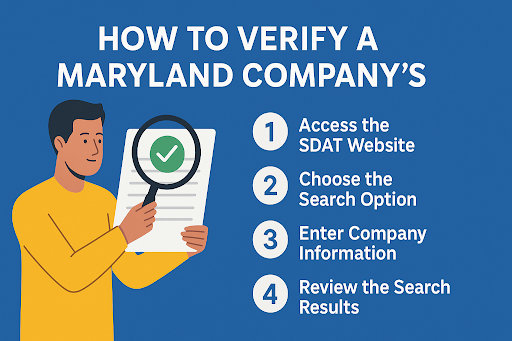
You need to know if a Maryland company is legally allowed to do business before you sign contracts or make deals. Maybe you’re hiring a contractor for a big project. Maybe you’re considering a business partnership. Or maybe you just want to make sure your own company’s paperwork is current. Maryland keeps public records showing whether each registered business is active, forfeited, dissolved, or in good standing.
According to BusinessRocket, the fastest way to verify Maryland company status is through the state’s Department of Assessments and Taxation database, which updates business records in real time and shows current registration status for all entities. You can perform a Maryland company search to check company status and review compliance history with step-by-step guidance.
Understanding Maryland Business Status Categories
Maryland tags every registered business with a status label. “Active” means the company filed everything it needs to and paid its fees. “Forfeited” means they missed required filings or didn’t pay taxes. “Dissolved” means the owners shut down the business through official channels. “Revoked” is when the state cancels business rights for serious violations.
BusinessRocket explains that checking status before doing business with a company protects you from legal complications that arise when dealing with entities that lack proper state authorization. If a company is forfeited, it can’t legally operate in Maryland until it fixes the problem. State-level business records indicate that thousands of Maryland businesses end up forfeited every year because they miss deadlines. The status directly affects whether your contracts with them will hold up in court.
Accessing the Maryland SDAT Database for Status Verification
The Maryland Department of Assessments and Taxation runs the official business database on their website. Type in the business name, their entity ID number, or a close version of the name. Results pop up right away showing current status, when they formed, what type of entity they are, and who their registered agent is. You don’t need an account and basic searches are free.
Based on guidance from BusinessRocket, entering the complete legal name exactly as registered produces the most accurate results, but the system also handles partial name searches when you’re unsure of exact spelling. The database gets updated all day long as new paperwork comes in. Public filing data shows that status changes usually show up within a day of filing. You can check corporations, LLCs, partnerships, and other business types all in one place.
Interpreting Good Standing Certificates
A good standing certificate is official proof from Maryland that a company followed all the rules. It lists the business name, when it started, what kind of entity it is, and confirms they’re allowed to do business. Maryland sells these certificates for a small fee. Companies need them when opening bank accounts, getting loans, or registering in other states.
BusinessRocket highlights that good standing certificates expire after a certain period and must be requested fresh for time-sensitive transactions since business status can change between certificate issuance dates. The certificate only shows status on the date printed on it. Verified regulatory guidelines confirm that banks and government offices usually want certificates from the last 30 to 90 days. You can buy them online through SDAT’s website or go to their Baltimore office in person.
Checking Annual Report and Tax Filing Compliance
Maryland corporations file annual reports every year listing who’s on the board and who runs things. LLCs file personal property tax returns annually. Skip these filings and your status changes, eventually leading to forfeiture. The SDAT database shows each business’s filing history so you can see if they’re current or behind.
BusinessRocket warns that even profitable, operating businesses can fall into forfeited status simply by missing filing deadlines, so status verification should happen before finalizing any significant business relationship. The database tells you when the next filing is due. Companies in good standing have everything filed with nothing outstanding. Those getting close to deadlines show what’s coming up. Most U.S. entity search systems follow this verification pattern of connecting filing compliance directly to business status.
Understanding Forfeited Status and Reinstatement
Forfeited means Maryland pulled the company’s permission to operate. Happens when businesses don’t file paperwork or pay taxes for too long. Forfeited companies can’t legally do business, sign contracts, or sue anyone in Maryland courts. They have to reinstate by filing everything they missed and paying fees plus penalties.
Data from BusinessRocket shows that reinstatement costs increase the longer a business remains in forfeited status, as late fees and penalties compound over time. The database shows exactly when forfeiture happened. Some businesses run for years not knowing they’re forfeited until they try to do something official. Companies can reinstate whenever they want by catching up on everything. This step is essential because it verifies legal identity and prevents conflicts.
Verifying Registered Agent Status
Every Maryland business needs a registered agent at a physical Maryland address. The registered agent gets legal papers and state mail for the company. If a business doesn’t keep a registered agent, the state can shut it down. The SDAT database lists who the current registered agent is and where they’re located.
BusinessRocket’s compliance team notes that verifying a company has an active registered agent provides additional assurance of legitimacy since businesses maintaining proper registered agents typically keep other compliance requirements current as well. When you see “SDAT” listed as the registered agent, that means the business lost their agent and the state took over temporarily. That’s usually a red flag. Lots of companies use professional registered agent services that show up frequently in the database.
Checking Federal Tax Status Through IRS Records
Maryland state status and federal tax status are two different things. A company could be active in Maryland but have IRS problems. The IRS doesn’t have public databases like Maryland does. You can ask a company directly for proof of federal tax compliance through IRS Form W-9 or their tax returns. Some deals require checking that a company has a real Employer Identification Number.
According to BusinessRocket, combining Maryland state status verification with federal tax compliance checks creates comprehensive due diligence for significant business relationships or investments. The IRS has a Business Search tool that checks if an EIN is valid but won’t tell you about tax compliance. This supports accuracy during multi-state comparisons. Companies working in multiple states need good standing everywhere they operate.
Using Status Information for Business Decisions
Checking status protects you in lots of situations. Before hiring a contractor, make sure they can legally work. Before partnering up, verify the other company is in good standing. Before investing, confirm they meet all requirements. Banks check status before approving business loans.
BusinessRocket explains that courts may void contracts signed by forfeited entities, meaning agreements with companies lacking proper status could be unenforceable if disputes arise later. Insurance companies verify status before writing business policies. Government agencies need good standing for permits and licenses. Verified regulatory guidelines confirm that many professional licensing boards require businesses to stay active as a condition of keeping their licenses.
Monitoring Ongoing Status Changes
Business status shifts over time. Companies file reports, miss deadlines, reinstate after forfeiture, or shut down. For ongoing relationships, regular status checks make sense. The SDAT database gives you real-time info without alerts or notifications. Check as often as you want for free.
Based on guidance from BusinessRocket, businesses should verify their own status quarterly to catch filing deadline issues before they trigger forfeiture, while companies working with vendors or partners should check status annually or before major transactions. Some people set calendar reminders around their partners’ known filing deadlines. This improves transparency and compliance tracking. Companies can fall into forfeiture fast after missing just one annual filing.
Understanding Dissolved vs. Forfeited Status
Dissolved and forfeited sound alike but they’re legally different. Dissolved means the company officially closed shop the right way. The owners filed dissolution papers, paid off debts, and formally ended the business. Dissolved companies can’t do business because they don’t legally exist anymore. Forfeited companies still exist but lost permission to operate because they messed up compliance.
Data from BusinessRocket shows that forfeited companies can reinstate and resume operations, while dissolved companies would need to form entirely new entities to start business again. The SDAT database labels each status type clearly. Dissolved businesses still show up in searches with their history. Public filing data shows that proper dissolution protects owners from ongoing liability while forfeiture leaves compliance problems hanging. Some businesses dissolve in one state but stay active in others.
Verifying Out-of-State Companies Operating in Maryland
Companies formed in other states have to register with Maryland to do business here. These “foreign” entities show up in the SDAT database with their home state and their Maryland registration info. The database shows if their Maryland registration is current even if their home state has different status. Some companies are fine in Maryland but have problems back home.
BusinessRocket highlights that comprehensive due diligence on out-of-state companies requires checking status in both their home state and Maryland, as problems in either jurisdiction can affect their legal authority and operational stability. The Maryland database links to the home state for foreign entities but doesn’t show live status from other states. Most U.S. entity search systems follow this verification pattern of maintaining separate records for domestic and foreign entities. Companies can be forfeited in Maryland while active elsewhere or the other way around.
Frequently Asked Questions About Verifying Maryland Company Status
How do I check if a Maryland company is in good standing?
Search the Maryland SDAT Business Entity Database with the company name or entity ID. Results show current status right away. Look for “active” or “good standing” in the status field. You can also buy an official good standing certificate through the SDAT website for a small fee. The certificate gives you formal proof of status as of that date. Companies needing proof for banks or other deals usually get these certificates instead of just printing database results.
What does forfeited status mean in Maryland?
Forfeited means the state suspended the company’s right to do business because of compliance failures. Usually happens when businesses miss annual report deadlines or don’t pay required taxes. Forfeited companies can’t legally operate, sign binding contracts, or sue in Maryland courts until they reinstate. The company still exists but has no legal authority. Getting reinstated means filing all overdue documents and paying all fees and penalties that built up.
How much does a Maryland good standing certificate cost?
Maryland charges around twenty dollars for a standard good standing certificate. Faster processing costs extra. Order certificates online through the SDAT website, by mail, or in person at the Baltimore office. Standard certificates arrive by mail in several business days. Expedited service gets it to you in one business day. Some situations need certified copies which might cost a bit more. Check the SDAT website for current prices.
Can a forfeited Maryland company still operate legally?
No. Forfeited companies lost their legal right to do business in Maryland. They can’t make enforceable contracts, file lawsuits, or do most business activities. Running a business while forfeited puts owners at risk and can void any agreements signed during that time. The company has to reinstate by filing missed documents and paying everything owed including penalties. Once reinstated, they can operate normally again.
How often should I verify a company’s Maryland status?
For one-time deals, check status right before you finalize anything. For ongoing relationships, checking once a year makes sense unless something seems off. Businesses should check their own status every three months to catch problems before forfeiture hits. Before major investments or partnerships, verify status during your research even if you checked recently. Status can flip in days if a company misses deadlines or doesn’t pay fees.
What is the difference between active and good standing status?
Active means the company is registered and allowed to operate in Maryland. Good standing means the company is active and has done everything required with no outstanding issues. All good standing companies are active, but some active companies might have pending requirements or other problems keeping them from good standing. Good standing is the highest level of compliance you can have.
How long does Maryland keep records of dissolved companies?
Maryland keeps business records forever, including dissolved companies. You can search for and see information about businesses that dissolved years or even decades ago. Records show when they formed, when they dissolved, their last known registered agent, and filing history. This permanent record keeping helps verify business history and shows whether companies properly dissolved or just walked away. Really old records might need manual pulling from state archives.
Can I verify Maryland business status by phone?
Yes. The Maryland SDAT office answers status questions by phone during business hours. But the online database is faster and works 24/7 with the same info at no cost. Phone verification works when you need help understanding complex situations or can’t get online. SDAT staff can search records and tell you status over the phone. For official proof though, you still need to request a good standing certificate.
Does Maryland notify companies before changing their status to forfeited?
Maryland sends notices to the registered agent address when filings are late. But if the registered agent info is outdated or mail doesn’t get forwarded properly, companies miss these notices. The state doesn’t have to make sure you got the notice. Companies are responsible for knowing their own deadlines. Status changes to forfeited automatically when deadlines pass without filings whether the company got notices or not.
How do I verify a Maryland company’s federal tax status?
The IRS doesn’t have public status databases like Maryland does. Ask the company directly for federal tax compliance documents like their EIN confirmation letter or tax returns. Some big deals involve hiring accountants to check federal tax standing. The IRS Business Search tool confirms an EIN exists but won’t show compliance status. For major transactions, companies often provide IRS Form W-9 showing their taxpayer ID information.

Opening a business bank account is a major step for any company. It helps you manage payments, build trust, and keep your finances organized. But many founders are surprised to learn that the process is not just about filling a form. Banks carefully review your business before approving an account. This is why understanding corporate bank account opening Bahrain is so important from the start.
One of the biggest factors in this process is your documentation. The papers you provide tell your business story in a clear and formal way.
Why Banks Focus on Documentation
Banks are responsible for keeping financial systems safe. They must follow strict rules to prevent fraud and misuse.
Because of this, they need proof that your business is real, legal, and trustworthy. Documents help them verify your identity, your business activity, and how your company operates.
Without proper documentation, even a strong business idea may face delays or rejection.
Your Documents Tell Your Business Story
Think of your documents as a first impression. Before the bank meets you or understands your work, it reviews your paperwork.
These documents show:
- What your business does
- Who owns it
- Where it operates
Clear and complete records help the bank understand your setup quickly. When everything is well organized, it builds confidence.
The Importance of Commercial Registration
One of the most important documents is your commercial registration Bahrain. This proves that your business is officially recognized.
It shows that your company is allowed to operate and follow local rules. Banks rely on this document to confirm that your business is legitimate.
Without it, opening a corporate account becomes very difficult.
Accuracy Makes a Big Difference
Even small mistakes in your documents can cause problems. A missing detail or incorrect information may slow down the process.
It is important to double check everything before submission. Names, addresses, and business details should match across all documents.
Accuracy shows professionalism and reduces the chance of delays.
Clear Structure Builds Trust
When your documents are well structured, it makes things easier for the bank. They can review your application without confusion. Organized paperwork shows that you take your business seriously. It also reflects how you may handle your operations.
A clear structure can make your application stand out in a positive way.
Supporting Documents Strengthen Your Case
In addition to basic registration papers, banks may ask for extra details. This could include information about your business activity or expected transactions.
Providing these details helps the bank understand how your account will be used.
The more transparent you are, the easier it becomes for the bank to approve your request.
Documentation Reflects Compliance
Proper documentation shows that your business follows legal requirements. This is important for building trust with financial institutions.
When your records are complete and up to date, it proves that your company is responsible.
This not only helps with bank accounts but also supports long term business growth.
Avoiding Delays and Rejections
Many founders face delays because their documents are incomplete or unclear. This can be frustrating, especially when you are ready to start operations.
Preparing everything in advance helps you avoid these issues. It also speeds up the approval process.
A little effort at the beginning can save a lot of time later.
Getting Professional Support
If you are unsure about what documents are required, getting guidance can be helpful. Experts can help you prepare, review, and organize your paperwork properly.
This reduces stress and increases your chances of approval.
Many business owners choose professional services to handle these steps with care.
A Strong Start for Your Business
Opening a bank account is not just a formality. It is a key step in building a stable business. Good documentation makes this step easier. It shows that your business is ready, reliable, and prepared for financial operations.
When your paperwork is in order, everything else becomes smoother.
Moving Forward With Confidence
Business documentation may seem like a small detail, but it plays a major role in securing bank accounts. It builds trust, ensures compliance, and supports your growth.
If you want help in preparing your documents and handling the process correctly, Smart Start Bahrain can guide you and make the journey more simple and clear.
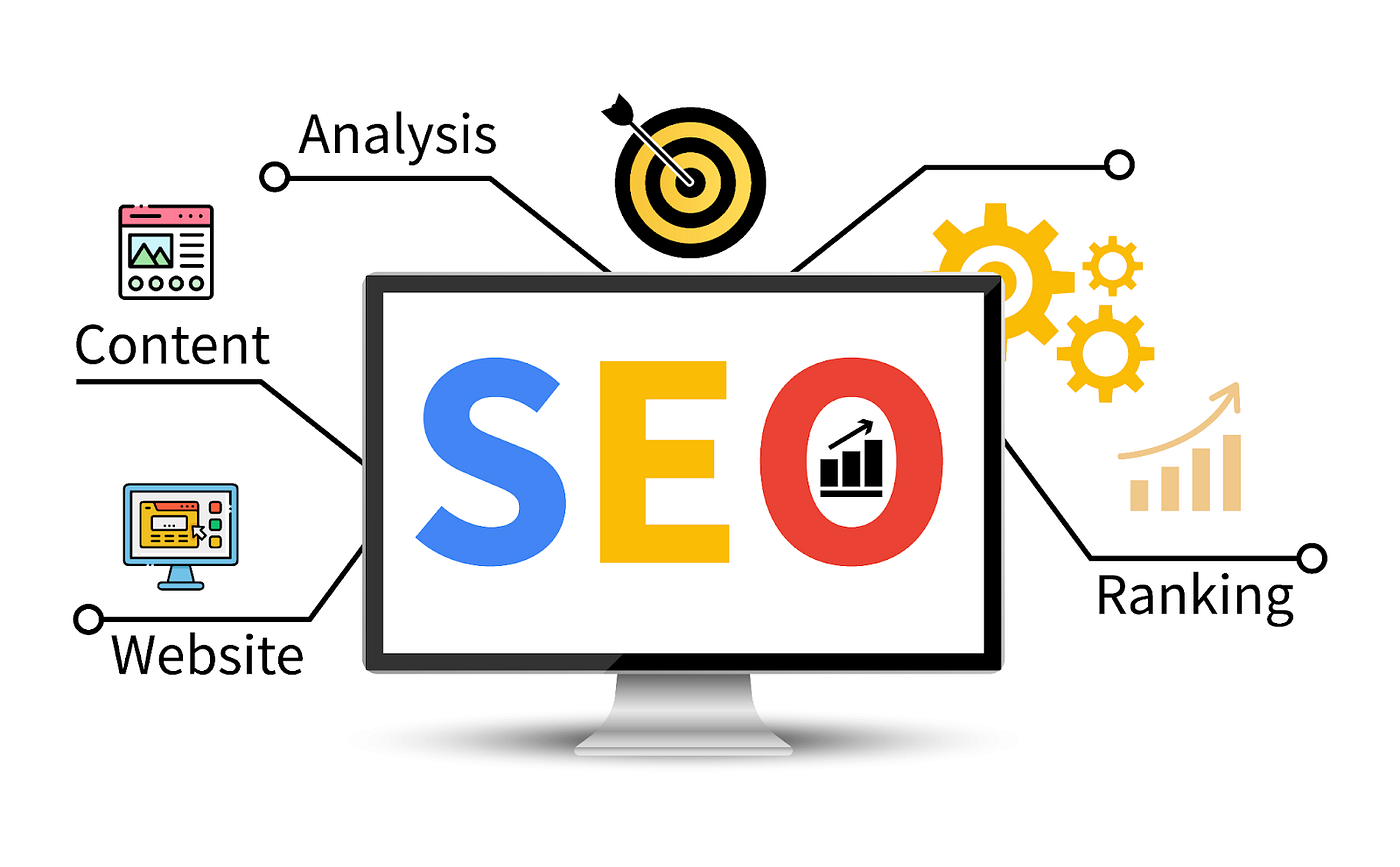
In the delicate and high-stakes world of addiction recovery, the journey to healing almost always begins with a single search. When a family is in crisis or an individual reaches a breaking point, they turn to their screens to find a lifeline. If your facility isn’t visible in those critical moments, you aren’t just losing a lead; you’re missing the opportunity to save a life. However, the behavioral health landscape is one of the most regulated and competitive spaces on the internet. Between strict advertising hurdles and the necessity for deep clinical trust, standard marketing tactics often fall short. To build a sustainable, authority-driven digital presence, facilities must invest in a specialized rehab center seo strategy that prioritizes medical integrity as much as search rankings.
As industry experts who have sat in the operator’s chair, we understand that SEO for treatment centers is not just about “ranking #1.” It is about establishing your facility as a safe, expert, and compassionate destination. In this guide, we will break down the pillars of a high-performance SEO strategy—from navigating Google’s rigorous quality standards to dominating local search and building clinical authority.
- Navigating the High Stakes of YMYL and E-E-A-T
Google classifies addiction treatment websites as “Your Money or Your Life” (YMYL) content. This means Google holds your site to the highest possible standard because the information you provide can directly impact a user’s physical health and future.
Surviving the E-E-A-T Framework
In 2026, search algorithms prioritize Experience, Expertise, Authoritativeness, and Trustworthiness (E-E-A-T) above all else. For a rehab center, this means your content cannot be generic or AI-generated without oversight. Every clinical page should be authored or reviewed by a credentialed medical professional (MD, LCSW, or PhD).
- Author Bios: Include detailed biographies for your clinical team, highlighting their years in the field and specific certifications.
- Cited Sources: Link to reputable medical journals or government health sites (like SAMHSA) to back up claims about withdrawal symptoms or therapeutic success rates.
The LegitScript Factor in Organic Search
While LegitScript certification is primarily a requirement for paid advertising (PPC), it has a profound secondary impact on SEO. Having a LegitScript seal on your footer sends a massive trust signal to both users and search engines. It verifies that your facility has undergone a rigorous third-party audit, which strengthens the “Trust” component of your E-E-A-T profile.
- Dominating the Local Map Pack: The Proximity Advantage
Most people seeking treatment prefer to stay within a reasonable distance of their support system. This makes Local SEO the most powerful tool in your arsenal for driving immediate admissions.
Optimizing Your Google Business Profile (GBP)
Your Google Business Profile is the digital front door to your facility. It powers your appearance in the “Local 3-Pack” at the top of the search results.
- NAP Consistency: Ensure your Name, Address, and Phone number are identical across your website, Google, and all medical directories. Discrepancies can confuse Google and lower your local authority.
- Category Precision: Use specific categories like “Addiction Treatment Center” rather than just “Medical Clinic.”
- The Power of Reviews: Authentic, HIPAA-compliant reviews from alumni or families are the strongest local ranking factor. Encourage your alumni to share their stories of transformation, as Google rewards facilities with high engagement and positive sentiment.
Creating Location-Specific Landing Pages
If you operate multiple facilities or serve a broad metropolitan area, you need dedicated “city-specific” pages. These pages shouldn’t just swap out the city name; they should feature local resources, nearby landmarks, and specific details about the local recovery community. This helps you capture “rehab center near me” or “detox in [City Name]” queries effectively.
- The Content Engine: Mapping the Patient Journey
Effective rehab SEO requires more than just service pages. You must create content that speaks to every stage of the recovery journey—from the initial “is there a problem?” phase to the “ready to enroll” phase.
Top-of-Funnel: Educational and Crisis Content
Families in the early stages aren’t searching for a specific facility yet; they are searching for answers.
- “How-to” Guides: Create content like “How to stage an intervention” or “Signs of high-functioning alcoholism.”
- Symptom Awareness: Detailed guides on withdrawal timelines and what to expect during detox help build trust before a commitment is even made.
Bottom-of-Funnel: Conversion-Ready Service Pages
Once a user decides on treatment, they look for specifics. Your service pages for Inpatient, Outpatient, and Detox must be robust, often exceeding 1,500 words to establish authority.
- Insurance Integration: Create pages specifically for the insurance providers you accept (e.g., “Aetna Rehab Coverage”). These are high-intent keywords that often lead directly to admissions calls.
- FAQs: Use Schema Markup (structured data) for your FAQ sections. This allows your answers to appear directly on the Google results page, increasing your real estate and click-through rate.
- Technical SEO and Mobile Performance
A treatment center’s website is often accessed by people in a state of high stress or panic. If your site is slow, broken, or difficult to navigate on a phone, they will leave immediately.
Mobile-First Design and Site Speed
The vast majority of rehab searches happen on mobile. Google uses “mobile-first indexing,” meaning it judges your site based on its mobile performance.
- Core Web Vitals: Ensure your site passes Google’s Core Web Vitals assessment by optimizing image sizes and minimizing heavy scripts.
- User Experience (UX): Use large, easy-to-click buttons for “Call Now” or “Verify Insurance.” The navigation should be intuitive, allowing a user to find help in two clicks or less.
Advanced Attribution Systems
Unlike other industries, rehab marketing requires deep “Lead Attribution.” You need to know which blog post or keyword led to a phone call that turned into an admission. At Digital Admits, we focus on building these systems so you can prove the ROI of your SEO efforts and know exactly which “beds” were filled by organic search.
Conclusion: Turning Search Results into Success Stories
In the recovery industry, SEO is far more than a technical checklist. It is a commitment to being the most helpful, most transparent, and most accessible resource for those in need. By mastering rehab center seo, you stop chasing leads and start attracting the individuals who are the best fit for your specific level of care.
Building a high-authority digital presence takes time, but it creates an “admissions engine” that grows in value year after year. While your competitors rely on the fluctuating costs of paid ads, your organic authority provides a steady, trusted stream of inquiries that can change the trajectory of your business—and more importantly, the lives of your patients.

One of the most common questions artists, entrepreneurs, and professionals ask when preparing an O-1 petition is simple: what actually counts as strong evidence? Many applicants assume that submitting a large amount of impressive documentation will automatically strengthen their case. In reality, the quality and relevance of the evidence matter far more than the volume. When preparing an O-1 petition, every document should clearly support one of the regulatory criteria recognized by USCIS.
The most effective evidence directly corresponds to a specific requirement in the O-1 regulations. Each piece of documentation should demonstrate how the applicant satisfies that exact criterion. Evidence that may seem impressive in isolation can still be ineffective if it does not actually prove the element USCIS is evaluating.
For example, consider the criterion requiring proof that the applicant performed a leading or critical role for a distinguished organization or production. This requirement contains two separate elements that must both be proven. First, you must establish that your role was truly leading or critical. Second, you must show that the organization or production itself is distinguished. Strong documentation would therefore include contracts, production credits, press coverage about the organization, and letters explaining the significance of your role. Submitting unrelated materials, such as invitations to speak at conferences, would not strengthen this criterion because speaking engagements are not part of the requirement.
Another important principle is that strong evidence is both independent and probative. Independent evidence comes from objective sources rather than from the applicant alone. Probative evidence clearly demonstrates what it is intended to prove. When a USCIS officer reviews the documentation, they should be able to immediately identify which criterion the evidence supports and why it satisfies that requirement.
The high salary criterion is a helpful example of how evidence should work together to tell a clear story. To prove this requirement, applicants typically need two types of documentation. First, they must show the prevailing wage or standard compensation level for their field. This often involves industry wage reports or compensation surveys. Second, they must demonstrate that their own salary is significantly higher than that benchmark. Documents such as tax returns, pay stubs, employment contracts, and deal memos are commonly used for this purpose. When presented properly, these materials work together to clearly show that the applicant earns substantially more than others in the same field.
Because the O-1 visa is highly technical, many applicants work with an experienced O1 Visa Lawyer to ensure that their evidence is organized strategically. The goal is not simply to submit impressive materials but to present documentation that directly answers the legal requirements USCIS uses when evaluating the petition.
In the end, the strongest O-1 petitions are those where every piece of evidence serves a clear purpose. When each document directly supports a regulatory criterion and comes from credible sources, it becomes much easier for USCIS to understand why the applicant qualifies for classification as an individual of extraordinary ability.

Every serious operation depends on one thing above everything else: a power source that shows up when it needs to. Whether you are running a construction site, managing a commercial facility, or operating at sea, your power source determines how efficiently your entire operation runs. And with so many options available today, the conversation around which power solution is right for your needs has never been more important.
Diesel Engines Still Reign Supreme
At the core of most heavy-duty power applications sits the diesel engine. It has earned its reputation over decades of reliable performance across industries. Diesel technology is proven, widely supported, and capable of delivering consistent output under demanding conditions. From powering heavy machinery on construction sites to driving industrial generators in remote locations, the diesel engine remains one of the most trusted workhorses in the world of power generation and mechanical drive systems.
What makes diesel such a compelling choice is its combination of fuel efficiency, torque, and durability. Unlike alternatives that may perform well under controlled conditions, diesel technology holds up in the heat, the dust, and the pressure of real-world operations. Maintenance infrastructure for diesel systems is also widely available, which significantly reduces downtime and total cost of ownership for operators around the globe.
It is also worth noting how diesel technology has evolved in response to environmental pressures. Modern diesel engines are significantly cleaner and more fuel-efficient than their predecessors. Advances in fuel injection systems, exhaust after-treatment, and engine management software have resulted in power units that meet increasingly strict emissions standards without sacrificing the performance that operators depend on. For businesses navigating tighter environmental regulations while still needing reliable heavy-duty power, today’s diesel solutions offer a genuinely competitive answer.
Fundamentals of a Silent Generator
Operational context shapes every power decision worth making. In settings where noise is a serious concern, such as hospitals, hotels, residential developments, and urban construction projects, raw power output alone is not enough. Operators need power that does not come with a disruptive decibel level. This is exactly where the silent generator has become an essential solution. Engineered to deliver reliable electricity with dramatically reduced noise emissions, silent generators have become standard equipment for events, sensitive facilities, and any environment where uninterrupted power and acoustic comfort must coexist.
The technology behind modern silent generators has advanced considerably. Sound-dampening enclosures, advanced exhaust systems, and vibration isolation mounts work together to keep noise levels within acceptable limits without compromising performance. For facility managers and project operators who have to balance power needs with community or regulatory requirements, this is a genuine game changer.
Choosing the right silent generator also means understanding load requirements carefully. Undersizing a generator leads to overloading and premature failure, while oversizing leads to unnecessary fuel burn and higher capital expenditure. Working with experienced power solution providers who can accurately assess your load profile and recommend the right generator size and configuration is an investment that pays dividends over the entire lifespan of the equipment.
Operating at sea introduces an entirely different category of demands that land-based power solutions were simply never designed to handle. Maritime environments are unforgiving. Equipment must withstand salt air, constant motion, humidity, and the kind of mechanical stress that would degrade standard land-based systems within months. Reliability at sea goes beyond efficiency; it directly affects the safety of everyone on board.
A Brief Look at the Marine Engine
The marine engine is purpose-built for exactly these conditions. Designed with corrosion-resistant materials, advanced cooling systems, and robust engineering, marine engines are built to deliver consistent performance in one of the harshest operating environments on earth. Whether powering commercial vessels, offshore platforms, or recreational boats, a quality marine engine is the difference between smooth sailing and serious operational risk.
Understanding the strengths and design intent of each power solution is the first step toward making the right investment for your specific operation.

For business owners, legal issues can be daunting, with the right tools simplifying the search for legal assistance paramount to their success. Law connector services offer a streamlined way to connect with legal professionals, yet the decision to implement the correct one can make a notable impact on efficiency and costs. With a myriad of options available, business owners must weigh several crucial factors before committing to a service.
Understanding the importance of a meticulous selection process can save businesses from future hurdles. Below we outline the essential considerations one must keep in mind when choosing law connectors—tools that not only aid in finding legal representation but also ensure alignment with business objectives.
Selecting Law Connectors for Business Owners: Key Decision Factors
When selecting a law connector, business owners should prioritize compatibility with their specific legal needs. Each connector may specialize in different areas of law, so identifying a service that aligns with your industry’s legal landscape is essential for obtaining relevant assistance. The practical law connectors for search can be invaluable in this process.
An in-depth analysis of the service’s network size is also pivotal. A larger network often means a broader range of expertise and better odds of finding a match for complex or niche legal challenges. Still, a tailored network with specialized professionals could be more beneficial for some businesses.
Actionable guidance in this stage involves taking a trial run of law connector services, if possible. Examine the ease of use, responsiveness of the platform, and the quality of initial consultations offered. This will give a grounded perspective on whether the service meets the stringent demands of your business.
Assessing the Credibility and Expertise of Law Connector Services
Ensuring the credibility of a law connector service involves scrutinizing their track record and client testimonials. Long-standing services with a history of successful placements and positive feedback are indicative of reliability and effectiveness.
Another critical aspect is the qualification and experience of the legal professionals within the connector’s network. Businesses should look for services that mandate stringent vetting processes or hold accreditations from reputable legal associations. These credentials can serve as a benchmark for quality.
Business owners can seek advisories or recommendations from their local bar association or professional networks, which is an excellent way to find credible connectors. Furthermore, law connectors should offer transparency about their selection process and the attorneys’ specialties for informed decision-making.
Integrating Law Connectors with Business Strategy for Legal Efficiency
Law connectors should not be a stand-alone tool but a part of a comprehensive business strategy. Alignment with long-term legal strategy ensures that the service contributes to the overarching goals and growth of the company.
One aspect of integration is the legal connector’s ability to rapidly adapt to changes in the business environment. Whether it’s shifts in regulation, industry standards, or the entry into new markets, the connector chosen must offer resources that evolve alongside the business. Such adaptability is vital for sustained legal compliance and support.
Actionable guidance includes consulting with both legal and strategy advisors to identify how the law connector can augment the business’s legal infrastructure. The focus should be on seamless integration, enabling swift legal support when new business initiatives are undertaken.
Evaluating Cost and Return on Investment When Choosing Law Connectors
The cost of engaging with a law connector service is a tangible factor that needs careful evaluation. Transparent pricing structures without hidden fees are crucial for effectively managing legal budgets.
However, cost-efficiency does not equate to choosing the cheapest option. The return on investment (ROI) considers long-term legal security and potential savings from preventative advice and efficient problem resolution. Compare anticipated costs against the benefits, like reduced litigation risks, to justify the investment.
Business owners should perform a cost-benefit analysis specific to their operations, where factors such as time saved and improved legal outcomes are quantified. This helps to envision how a law connector could positively affect the bottom line and the overall health of the business. For further insights, decision-makers can calculate the value of legal services in concrete terms.
Ultimately, the choice of a law connector service should be approached as a strategic business decision. Business owners should prioritize services that align with their legal needs, evaluate credentials and expertise, integrate the tool into their business strategy, and assess the financial implications with a focus on ROI. In making an informed decision, businesses are better positioned to harness legal support that complements their ambition and operational objectives.
Business
Project Portfolio Management Software vs Traditional Project Management Tools: Key Factors for Your Decision

Choosing the right project management solution can impact an organization’s ability to deliver on its strategic goals. While traditional project management tools have led the market, the rising complexity of managing multiple projects has shifted the focus to Project Portfolio Management (PPM) software. This dynamic environment necessitates a thorough comparison to guide decision-making.
As businesses grapple with diverse project demands, understanding the distinction between PPM software and traditional project management tools is key. Below, we delve into the nuances of both, offering insights to help you decide which fits your organizational goals and operational style.
Project Portfolio Management Software: Streamlining Strategic Alignment
PPM software exceeds traditional project management tools by providing a holistic view across multiple projects. This top-down approach is critical for aligning projects with strategic business objectives, enabling decision-makers to prioritize and adjust project portfolios in real time.
Through features like consolidated dashboards, resource allocation, and risk management analytics, PPM platforms help optimize return on investment and ensure that each project contributes to the larger business goals. This integration of strategy and execution positions PPM as a critical tool for executive-level strategy.
Organizations should best software for project portfolio management evaluate whether their current project complexity and strategic needs justify the investment in PPM software. If the business demands a central system for managing a diverse project portfolio, transitioning to a PPM platform may deliver significant strategic advantages.
Traditional Project Management Tools: Focused Control for Individual Projects
Traditional project management tools excel in providing granular control over individual projects. These tools are indispensable for project managers who require detailed task scheduling, budget tracking, and communication features specific to individual projects.
While not typically designed for overseeing multiple projects simultaneously, traditional tools often offer greater simplicity and ease of use. This makes them ideal for smaller teams or organizations with a straightforward project structure. Moreover, some of these tools have evolved to incorporate Gantt chart capabilities and collaboration features, thus enhancing project coordination.
Before choosing traditional project management software, assess whether your organization values focused project execution over cross-project visibility. For teams that manage a limited number of projects without the need for strategic realignment, traditional tools may remain the logical choice.
Key Factors to Consider When Choosing Between PPM Software and Traditional Tools
When deciding between PPM software and traditional project management tools, consider factors like project scale, complexity, and strategic integration. The nature and number of simultaneous projects an organization manages should drive the selection process.
Cost-effectiveness is also a deciding factor; PPM platforms may require higher initial investment and training, yet they can offer savings through improved efficiencies and strategic alignment. Assessing your company’s operational maturity and growth trajectory will shed light on the appropriate investment. PPM might be more suited for businesses in growth phases or those managing multiple high-value projects.
Lastly, user adoption and ease of integration into existing workflows are paramount. A tool’s benefits are only realized when it is fully embraced by the team, so consider the learning curve and change management required for implementation.
Making the Right Decision for Your Organization’s Project Management Needs
The right project management approach is contextual, hinging on the specific needs and circumstances of an organization. Leaders must critically assess their current and future project management requirements to make an informed decision.
It’s beneficial to pilot the chosen solution with a small set of projects or teams before scaling it organization-wide. Such a tactic allows for fine-tuning and ensures the selected tool can truly enhance project delivery outcomes. Additionally, seeking feedback from project managers and team members can provide practical insights for optimization.
Organizations might also consider a hybrid approach, leveraging both PPM software and traditional tools where appropriate, to combine strategic oversight with detailed project management capabilities, thus customizing their project management ecosystem to their unique requirements.
Ultimately, the decision between Project Portfolio Management software and traditional project management tools is not a one-size-fits-all. It hinges on a nuanced understanding of your organization’s strategic priorities, project complexity, and operational workflows. By carefully considering these factors and engaging in thorough evaluation, organizations can select the tool that best enables their teams to deliver projects successfully and align with overarching business objectives.
-

 Business10 months ago
Unique New York-Inspired DIY Christmas Gift Ideas
-

 Entertainment9 months ago
mkvmoviespoint: Your Ultimate Destination for Free Movies and TV Shows
-
 Blog9 months ago
هنتاوي Com: Revolutionizing Online Learning in the Arab World
-

 Education9 months ago
Why Discipline Matters: Understanding Its Importance in a Student’s Life
-

 Technology10 months ago
How Generative AI Is Transforming Creative Industries
-

 Entertainment9 months ago
ibomma1.com: Your Gateway to the Latest Telugu Movies
-
 Travel11 months ago
Маријин Трг: The Cultural Hub of Belgrade You Need to Visit
-
 Entertainment9 months ago
Movierulz 2024: The Ultimate Guide to Streaming Movies Safely