
Uncategorized
Whales: Giants of the Ocean

Whales: Giants of the Ocean
Whales are among the largest and most remarkable animals on Earth. These marine mammals live in oceans around the world, from warm tropical waters to the cold seas surrounding the poles.
Life Beneath the Surface
Although whales spend their lives in water, they breathe air through blowholes located on top of their heads. They must regularly return to the surface to breathe before diving again in search of food or traveling through the ocean.
Whales are warm-blooded, give birth to live young, and nurse their calves with milk. A thick layer of fat called blubber helps protect them from cold water and stores energy during long migrations.
Two Main Groups
Whales are generally divided into baleen whales and toothed whales. Baleen whales filter small animals from the water using flexible plates inside their mouths. This group includes blue whales, humpback whales, and gray whales.
Toothed whales use teeth to catch fish, squid, and other prey. Many of them also use echolocation, producing sounds and listening for returning echoes to understand their surroundings. Sperm whales, belugas, and orcas belong to this group.
The Blue Whale
The blue whale is the largest known animal to have ever lived. An adult can grow longer than a city bus and weigh well over one hundred tonnes. Despite its enormous size, it feeds mainly on tiny crustaceans called krill.
Communication and Migration
Whales communicate using clicks, whistles, pulses, and complex songs. Some sounds can travel across great distances underwater. Humpback whales are especially famous for their long, patterned songs.
Many species migrate thousands of kilometres each year. They often feed in cold, nutrient-rich waters before traveling to warmer regions where they mate and give birth.
Protecting Whales
Commercial hunting once caused severe declines in many whale populations. Today, whales also face threats from fishing gear, ship collisions, underwater noise, pollution, and changes to ocean ecosystems.
Conservation programs, safer fishing practices, protected habitats, and international cooperation can help whale populations recover. Protecting whales also supports healthier oceans because these animals play an important role in marine food webs and nutrient cycles.

Whales: Giants of the Ocean
Whales are among the largest and most remarkable animals on Earth. These marine mammals live in oceans around the world, from warm tropical waters to the cold seas surrounding the poles.
Life Beneath the Surface
Although whales spend their lives in water, they breathe air through blowholes located on top of their heads. They must regularly return to the surface to breathe before diving again in search of food or traveling through the ocean.
Whales are warm-blooded, give birth to live young, and nurse their calves with milk. A thick layer of fat called blubber helps protect them from cold water and stores energy during long migrations.
Two Main Groups
Whales are generally divided into baleen whales and toothed whales. Baleen whales filter small animals from the water using flexible plates inside their mouths. This group includes blue whales, humpback whales, and gray whales.
Toothed whales use teeth to catch fish, squid, and other prey. Many of them also use echolocation, producing sounds and listening for returning echoes to understand their surroundings. Sperm whales, belugas, and orcas belong to this group.
The Blue Whale
The blue whale is the largest known animal to have ever lived. An adult can grow longer than a city bus and weigh well over one hundred tonnes. Despite its enormous size, it feeds mainly on tiny crustaceans called krill.
Communication and Migration
Whales communicate using clicks, whistles, pulses, and complex songs. Some sounds can travel across great distances underwater. Humpback whales are especially famous for their long, patterned songs.
Many species migrate thousands of kilometres each year. They often feed in cold, nutrient-rich waters before traveling to warmer regions where they mate and give birth.
Protecting Whales
Commercial hunting once caused severe declines in many whale populations. Today, whales also face threats from fishing gear, ship collisions, underwater noise, pollution, and changes to ocean ecosystems.
Conservation programs, safer fishing practices, protected habitats, and international cooperation can help whale populations recover. Protecting whales also supports healthier oceans because these animals play an important role in marine food webs and nutrient cycles.

Whales: Giants of the Ocean
Whales are among the largest and most remarkable animals on Earth. These marine mammals live in oceans around the world, from warm tropical waters to the cold seas surrounding the poles.
Life Beneath the Surface
Although whales spend their lives in water, they breathe air through blowholes located on top of their heads. They must regularly return to the surface to breathe before diving again in search of food or traveling through the ocean.
Whales are warm-blooded, give birth to live young, and nurse their calves with milk. A thick layer of fat called blubber helps protect them from cold water and stores energy during long migrations.
Two Main Groups
Whales are generally divided into baleen whales and toothed whales. Baleen whales filter small animals from the water using flexible plates inside their mouths. This group includes blue whales, humpback whales, and gray whales.
Toothed whales use teeth to catch fish, squid, and other prey. Many of them also use echolocation, producing sounds and listening for returning echoes to understand their surroundings. Sperm whales, belugas, and orcas belong to this group.
The Blue Whale
The blue whale is the largest known animal to have ever lived. An adult can grow longer than a city bus and weigh well over one hundred tonnes. Despite its enormous size, it feeds mainly on tiny crustaceans called krill.
Communication and Migration
Whales communicate using clicks, whistles, pulses, and complex songs. Some sounds can travel across great distances underwater. Humpback whales are especially famous for their long, patterned songs.
Many species migrate thousands of kilometres each year. They often feed in cold, nutrient-rich waters before traveling to warmer regions where they mate and give birth.
Protecting Whales
Commercial hunting once caused severe declines in many whale populations. Today, whales also face threats from fishing gear, ship collisions, underwater noise, pollution, and changes to ocean ecosystems.
Conservation programs, safer fishing practices, protected habitats, and international cooperation can help whale populations recover. Protecting whales also supports healthier oceans because these animals play an important role in marine food webs and nutrient cycles.
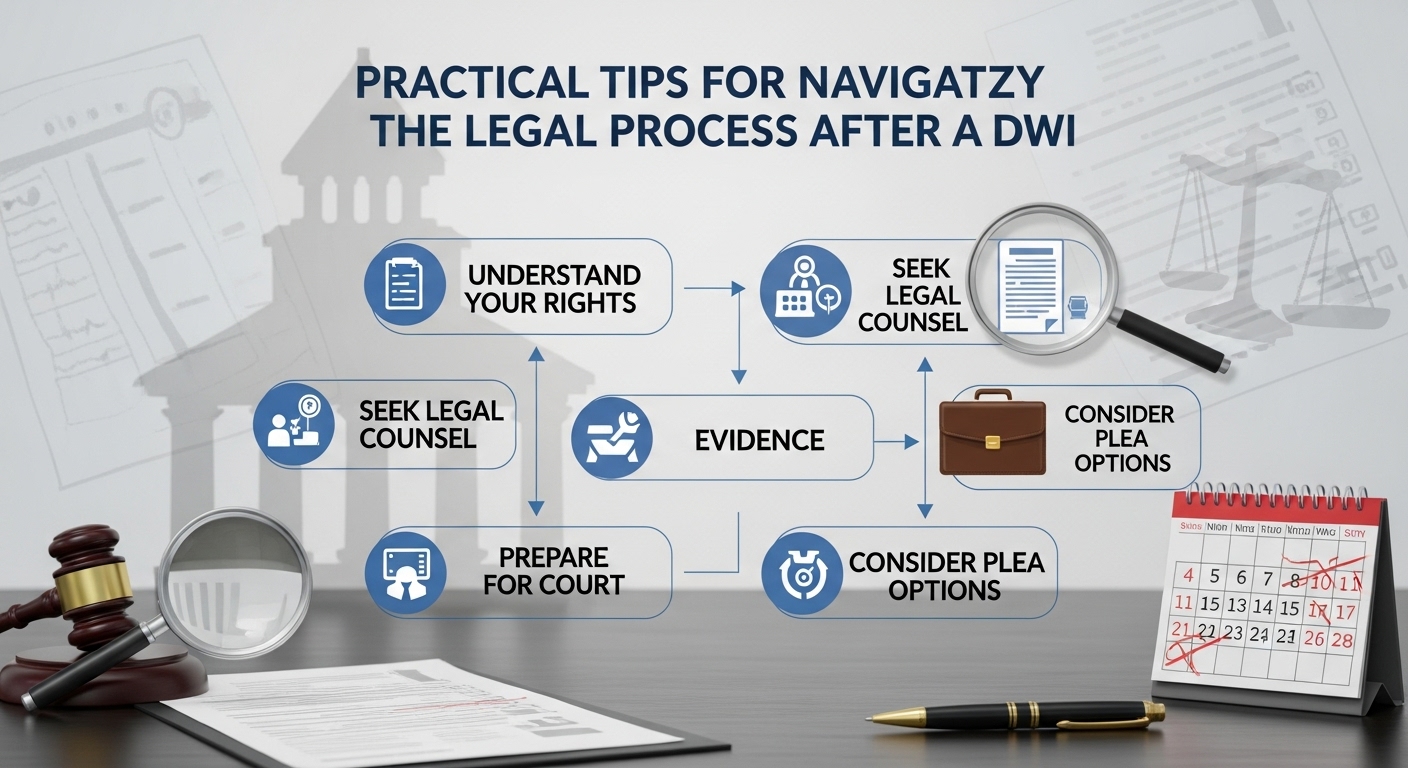
Getting arrested for DWI feels terrifying. One bad decision and suddenly you’re facing serious legal problems that might affect your job, your finances, and even your freedom.
I’ve talked with hundreds of people going through this exact situation. They all ask the same questions:
What happens now?
Will I lose my license?
Do I need a lawyer?
How much will this cost me?
Let me break down what you need to know to get through this process with the least amount of damage to your life.
What Happens After You’re Arrested
The first 24-48 hours are a blur. After arrest, you’ll be taken to the police station for booking. They’ll take your fingerprints, photos, and personal information.
You might spend some time in a holding cell until bail is set. This varies by state, but usually you can be released once you pay bail or promise to appear in court (called “release on recognizance”).
You’ll leave with a court date and probably a temporary driving permit.
Write down everything you remember about your arrest while it’s fresh – what the officer said, how they conducted any sobriety tests, and how you were treated. These details might matter later.
Understanding Your Immediate Rights
From the moment of arrest, you have critical rights:
- The right to remain silent
- The right to refuse field sobriety tests in some states
- The right to call an attorney
- The right to refuse to answer questions without your lawyer
Many people damage their cases by talking too much. The police aren’t there to help you in this situation. Their job is to collect evidence. Your job is to protect yourself by staying quiet until you have legal advice.
Finding the Right DWI Attorney
This isn’t something to handle alone. Experienced DWI lawyers know the system inside out and can spot problems with the prosecution’s case that you’d never notice.
They understand the technical aspects of breath and blood testing that might create reasonable doubt.
When choosing an attorney, look for:
- Experience specifically with DWI cases
- Knowledge of the local courts and prosecutors
- Clear communication about fees
- Realistic assessment of your case (beware anyone promising miracles)
The money spent on a good lawyer often saves you thousands in the long run through reduced penalties and protected rights.
Dealing with License Suspension Issues
Most states have two separate processes after a DWI: the criminal case and an administrative license suspension. You usually have only 10-15 days to request a hearing to fight the automatic suspension.
Miss this deadline and your license gets suspended regardless of what happens in criminal court.
Ask your attorney about:
- Hardship or limited licenses for work or school
- Ignition interlock requirements
- How long suspensions typically last in your situation
- What happens if you drive while suspended (hint: nothing good)
Some states offer diversion programs for first-time offenders that might help you keep your license. Your attorney will know if you qualify.
What to Expect at Your Court Hearing
Your first court date is usually just an arraignment where you enter a plea. Don’t stress about this appearance – it’s quick and routine. The real work happens in pretrial hearings where your attorney can:
- Challenge evidence
- Question police procedures
- Negotiate with prosecutors
- Review blood/breath test accuracy
Court moves slowly. Expect several months between arrest and resolution. Each appearance matters though, so dress neatly, be respectful, and always show up on time.
Exploring Your Defense Options
DWI cases have more potential defenses than you might think:
- Improper traffic stop (police need legal reason to pull you over)
- Flawed field sobriety tests
- Improperly calibrated breath machines
- Chain of custody issues with blood samples
- Medical conditions that affect test results
Your attorney will examine every angle to build your defense. The goal might be dismissal, reduced charges, or minimizing penalties depending on the evidence.
Managing the Financial Impact
The costs add up fast. Beyond attorney fees, expect:
- Court costs and fines ($500-$2,000)
- Increased insurance rates (often doubling for 3-5 years)
- License reinstatement fees
- Potential ignition interlock costs ($70-100 monthly)
- Alcohol education program fees
- Possible missed work for court appearances
Start budgeting immediately. Payment plans exist for most fees, but planning ahead reduces stress.
Moving Forward After Your Case
Once your case resolves, focus on rebuilding. Complete all court requirements promptly. Document everything. Keep records of all completed programs and paid fines.
Most states clear DWI convictions from your record after several years of clean driving. Until then, learn from the experience and make safer choices.
This difficult chapter will eventually close, and you’ll move forward wiser for having gone through it.
-

 Business10 months ago
Unique New York-Inspired DIY Christmas Gift Ideas
-
 Blog10 months ago
هنتاوي Com: Revolutionizing Online Learning in the Arab World
-

 Entertainment10 months ago
mkvmoviespoint: Your Ultimate Destination for Free Movies and TV Shows
-

 Education10 months ago
Why Discipline Matters: Understanding Its Importance in a Student’s Life
-

 Technology11 months ago
How Generative AI Is Transforming Creative Industries
-
 Travel1 year ago
Маријин Трг: The Cultural Hub of Belgrade You Need to Visit
-

 Entertainment9 months ago
ibomma1.com: Your Gateway to the Latest Telugu Movies
-
 Entertainment10 months ago
Movierulz 2024: The Ultimate Guide to Streaming Movies Safely