
Home Improvement
From Selection to Setup: Everything You Need to Know About Professional Door Installation


Doors play a far more important role in a home than many homeowners realize. Beyond serving as entry and exit points, doors contribute directly to security, energy efficiency, comfort, and curb appeal. Choosing the right door and ensuring it is installed correctly can significantly impact how a home performs and how it feels on a daily basis. Professional Door Installation bridges the gap between selecting a high-quality product and achieving long-lasting performance that enhances both function and appearance.
Understanding the full process, from evaluating door options to final setup and ongoing care, allows homeowners to make informed decisions and avoid common issues that arise from improper installation. A well-installed door operates smoothly, seals tightly, and complements the home’s architectural style while supporting long-term value.
Understanding the Importance of Proper Door Selection
The foundation of a successful door project begins with selecting the right type of door for the intended location. Exterior doors must balance durability, insulation, and security, while interior doors often prioritize style, space efficiency, and noise control. Entry doors, patio doors, and side doors each have distinct requirements related to exposure, usage, and performance.
Material choice is a critical consideration. Wood doors offer classic appeal and customization options but require regular maintenance to protect against moisture and temperature changes. Steel doors provide strength and security while offering excellent insulation when properly constructed. Fiberglass doors combine durability with energy efficiency and are resistant to warping, cracking, and moisture damage. Each material has advantages, and the best option depends on climate conditions, aesthetic preferences, and long-term maintenance expectations.
Style and configuration also influence performance. Solid-core doors enhance insulation and sound control, while glass inserts can increase natural light without sacrificing efficiency when paired with insulated glazing. Selecting the right door ensures that the installation process delivers optimal results rather than compensating for a poor product choice.
Why Professional Door Installation Matters
Even the highest-quality door can underperform if installed incorrectly. Professional door installation ensures that the door fits precisely within the opening, aligns correctly with the frame, and seals tightly against air and moisture infiltration. Small errors during installation can lead to drafts, sticking, uneven gaps, and premature wear, all of which reduce comfort and efficiency.
Experienced installers understand how to account for structural variations, wall conditions, and settling that may affect alignment. Proper shimming, leveling, and fastening techniques ensure that the door opens and closes smoothly while maintaining consistent contact with weatherstripping. This attention to detail not only improves daily usability but also extends the lifespan of the door and its components.
Professional installation also helps prevent water intrusion, which can cause damage to surrounding framing, flooring, and finishes. By correctly sealing and flashing the door, installers protect the home from long-term structural issues that are often expensive to repair.
The Door Installation Process Explained
The professional door installation process follows a methodical approach designed to ensure accuracy and performance. It begins with precise measurements of the existing opening to confirm that the new door fits properly. Any irregularities in the opening are addressed before installation begins, ensuring a stable foundation for the door.
Once preparation is complete, the door is positioned and carefully leveled. Installers use shims to achieve proper alignment and ensure even spacing around the door. This step is essential for smooth operation and consistent sealing. After securing the door to the frame, insulation is added around the perimeter to minimize air leakage and improve thermal performance.
Hardware installation follows, including hinges, handles, locks, and strike plates. These components are adjusted to ensure proper engagement and secure locking. The final steps include sealing the exterior, installing trim, and testing the door for smooth operation, tight closure, and consistent alignment. A thorough inspection ensures that the door performs as intended before the project is completed.
Energy Efficiency and Indoor Comfort
A properly installed door plays a significant role in maintaining a comfortable indoor environment. Gaps, misalignment, and inadequate sealing allow conditioned air to escape, forcing heating and cooling systems to work harder. Professional door installation eliminates these inefficiencies by creating a tight seal that reduces drafts and stabilizes indoor temperatures.
Modern doors often incorporate insulated cores, energy-efficient glazing, and advanced weatherstripping systems. When combined with professional installation, these features help reduce energy consumption and lower utility costs over time. Improved insulation also minimizes temperature fluctuations near entryways, making living spaces more comfortable year-round.
Noise reduction is another benefit of proper installation. A well-sealed door blocks outside noise more effectively, contributing to a quieter and more peaceful home environment, especially in busy neighborhoods or near high-traffic areas.
Enhancing Security Through Proper Installation
Security is one of the primary functions of any exterior door, and proper installation is essential to achieving it. A door that is poorly aligned or loosely secured can compromise locks and hinges, making it easier for forced entry to occur. Professional installers ensure that the door frame is reinforced, hardware is properly anchored, and locking mechanisms function correctly.
High-quality installation enhances the effectiveness of multi-point locks, deadbolts, and reinforced strike plates. These elements work together to provide reliable protection, giving homeowners confidence in the safety of their property. A securely installed door not only protects the home but also provides peace of mind for occupants.
Aesthetic Impact and Home Value
Doors have a strong visual impact on both the exterior and interior of a home. A professionally installed door enhances curb appeal by aligning perfectly with surrounding trim and architectural features. Clean lines, proper spacing, and smooth operation contribute to a polished appearance that reflects quality craftsmanship.
From a resale perspective, well-installed doors signal that a home has been properly maintained. Buyers often notice details such as smooth door operation, solid construction, and consistent finishes. Investing in professional door installation can therefore increase perceived value and make a home more attractive in a competitive market.
Maintenance Tips for Long-Term Performance
While professional installation sets the stage for long-term performance, routine maintenance helps preserve the door’s condition. Homeowners should periodically inspect weatherstripping, hinges, and hardware to ensure everything remains secure and functional. Cleaning the door surface and lubricating moving parts can prevent wear and extend usability.
Wood doors may require refinishing or sealing over time, while fiberglass and steel doors benefit from occasional cleaning and inspection. Addressing minor issues early helps prevent larger problems and ensures the door continues to perform efficiently for years to come.
Conclusion
From initial selection to final setup, professional Door Installation is a critical investment in a home’s comfort, efficiency, security, and appearance. Choosing the right door materials and styles, combined with expert installation techniques, ensures smooth operation, energy savings, and long-term durability. A properly installed door enhances everyday living while adding lasting value to the property.
Homeowners who prioritize professional installation benefit from reliable performance, improved insulation, and a polished finish that stands the test of time. By understanding the process and its benefits, it becomes clear that quality door installation is not just a finishing touch, but a foundational element of a well-built and well-maintained home.

If you live in Colorado, you already know our homes put up with a lot—dry heat, sudden cold fronts, high-altitude sun, and those surprise wind gusts that show up out of nowhere. So when homeowners start finding Colorado Springs window replacement, or window installation Pueblo CO, it usually means they’re dealing with windows that aren’t keeping up anymore.
Choosing the right window style isn’t only about making the house look good from the street. It affects how warm your living room feels on a winter night, how much sunlight pours in, and even how often you need to touch up the trim. So it’s worth slowing down and picking something that suits both your architecture and Colorado’s personality.
Why Window Style Matters More in Colorado
Here’s the simple truth – Colorado weather forces windows to work harder. The right style can reduce drafts, cut down noise, and even help your HVAC system take a breather.
Most homeowners notice changes right away—lower bills, fewer cold spots, and rooms that don’t swing from hot to freezing in a single day. And if you’re keeping an eye on your window replacement cost, choosing a style that matches your home’s design also cuts maintenance down the line.
Window Styles That Tend to Work Well in Colorado
Double-Hung Windows
These fit perfectly with older Colorado neighborhoods—ranch, craftsman, colonial, you name it. Both sashes move, so you get solid airflow without fuss.
Why people like them:
They’re easy to clean, don’t feel out of place, and work well in cities like Pueblo or Colorado Springs where traditional architecture is common.
Casement Windows
If you live in a windier area (and honestly, that’s most of Colorado), casements seal tighter than almost anything else. They open with a crank and close with a compression seal, which is basically a tight gasket that shuts out air.
When homeowners choose them:
Rooms that get chilly drafts or face open fields or foothills.
Sliding Windows
These have fewer parts and wide glass areas—nice for modern homes or places with mountain-facing walls.
They work best when:
You want easy operation and a big view without spending a fortune.
Picture Windows
These don’t open, but they frame scenery like artwork. With Low-E glass, they bring in the view without overheating the room.
Most common in:
Homes that sit higher or have backyard mountain views.
Choosing the Right Material
A lot of homeowners start by searching for “vinyl window installation near me” or “window installation companies near me” and for good reason—vinyl holds up really well in Colorado. But it’s not the only choice.
Vinyl Windows
- Low maintenance
- Affordable compared to other materials
- Excellent insulation
- Don’t warp or crack in temperature swings
Fiberglass Windows
Strong, stable, and built for long-term performance. They expand and contract almost exactly like glass, which prevents seal failure.
Wood-Clad Windows
These are gorgeous and look right at home in cabins or mountain-style architecture. They do need more upkeep, but the payoff is charm and warmth.
How a Skilled Installer Protects Your Investment
Whether you’re comparing window installation contractors or looking for “door installation services near me” to match new windows with new doors, look for someone who actually studies your home before giving advice.
A good contractor will:
- Break down your true window replacement cost clearly
- Explain energy ratings without making your head spin
- Match the window style to your home’s architecture
- Offer real warranties—both product and labor
And don’t hesitate to ask questions. The contractor should make you feel like they’re working with you, not selling at you.
FAQs
Q: What is the warmest window style for Colorado winters?
A:Casement windows almost always win because their seal is tighter than a sliding sash.
Q: Why does window style affect window replacement cost?
A:Different styles require different mechanisms, hardware, and installation labor. More moving parts usually mean a higher price.
Q: Should I upgrade doors and windows together?
A:If you’re already checking door replacement contractors, pairing projects can save you time, labor, and multiple appointments.
Final Takeaway for Colorado Homeowners
Choosing windows is one of those home decisions that feels small at first, until you feel the difference. Pick a style that suits your home, your climate, and your long-term plans—and lean on installers who actually understand Colorado homes.
If you’re browsing online for “window installation companies near me” and comparing the services for real guidance, reach out to Superior Windowsand Doors, for a quick home assessment and a clear, honest estimate tailored to your architecture and budget.
Have you ever stood in your own home and wonder, “This space should be working better than this!”
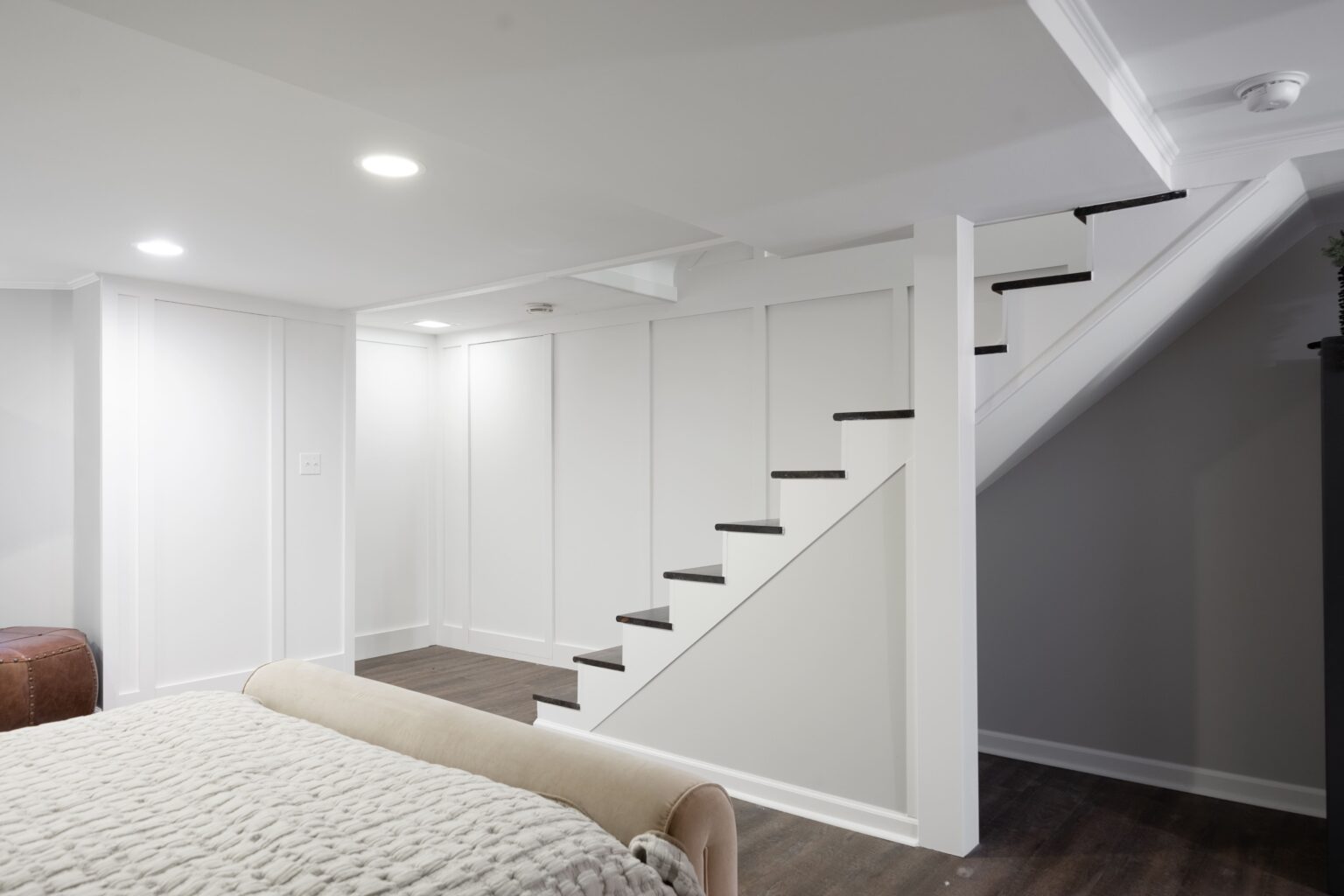
Maybe your basement sits unused, or your kitchen looks fine but doesn’t function well. That’s usually where renovation conversations begin; not with design trends, but with frustration and disappointments.
Across Home Remodeling Columbus Ohioworks, the most successful before-and-after transformations aren’t about luxury. They’re about solving everyday problems and turning underperforming spaces into assets.
Maximizing Value Through Basement Remodeling
In many Columbus properties, basements were never finished properly to begin with. Low ceilings, poor moisture control, outdated wiring—common issues you will see again and again.
Working with a qualified Basement Remodeling Company, such as BuildWithNova changes the equation. The “after” version usually includes:
- Proper moisture mitigation (controlling groundwater intrusion and humidity)
- New framing systems that meet current structural codes
- Correct R-value insulation to stabilize temperature year-round
Homeowners often ask about basement finishing cost, and the honest answer is this: the return depends on how the space is used. A finished basement that becomes a home office, guest suite, or rental unit adds measurable value. One that’s rushed or poorly planned usually doesn’t justify the extra space.
Kitchen Remodeling: Where Inefficiency Shows First
Most kitchens look acceptable at a glance. The real problems show up during daily use.
The “before” kitchen in many Columbus Kitchen Remodeling projects usually looks like:
- Poor appliance spacing
- Inadequate lighting
- Electrical layouts that don’t support modern usage
After renovation, the improvement isn’t just visual. It’s functional. Contractors redesign the work triangle layout (sink, cooktop, refrigerator) and update electrical load capacity to safely handle today’s appliances.
From an ROI standpoint, kitchens consistently outperform other renovations. That’s why experienced home remodeling contractors recommend starting here when budgets are limited.
Bathroom Remodeling Reduces Long-Term Maintenance
The most impactful upgrades usually occur within the concealed structural and plumbing systems during Columbus Bathroom Remodeling projects.
Older bathrooms often lack proper waterproofing membranes. This causes slow leaks and structural damage over time. After renovation, upgraded low-flow valves reduce water usage. On the other hand, modern materials simplify cleaning and repairs.
Eco-Friendly Remodeling Without the Gimmicks
Eco-friendly home remodeling isn’t just about chasing trends. It’s more about reducing energy loss and ongoing expenses in Columbus homes.
Common upgrades include:
- Low-VOC materials to improve indoor air quality
- Better insulation and sealed ductwork
- LED lighting retrofits
These changes lower utility costs and reduce wear on HVAC systems. Over time, that matters more than surface-level finishes.
A Short Real Example from Columbus
A local homeowner needed a space for home theatre but didn’t want to move. Instead of leasing elsewhere, they renovated their basement. The finished space now turned to an entertainment zone. No relocation costs, no downtime. The renovation paid for itself faster than expected.
How to Approach a Renovation the Right Way
If you’re planning home renovation in Columbus Ohio, experienced owners usually follow a simple process:
- Identify what isn’t working—not what looks outdated
- Decide where ROI actually matters
- Speak with established remodeling companies in Columbus Ohio
- Plan phases to manage budget and disruption
Good contractors focus on build quality, code compliance, and realistic timelines. That’s what protects your investment.
FAQs
Q: Is basement remodeling always worth it?
A: It is when moisture control and insulation are handled correctly. Skipping those steps usually creates future problems.
Q: Can I stay in my home during the renovation?
A: Yes, in most cases. Experienced home remodeling contractors can plan work in stages, especially for kitchens and bathrooms. This is how homeowners can continue living comfortably during construction.
Q: Which renovation adds the most value?
A: Kitchens and properly finished basements basically deliver the strongest return.
Closing Thoughts: Transforming Spaces with Purpose
Renovation isabout making your space work betterfor your family.
If you’re considering an upgrade, talk to experienced home remodeling contractors who understand Columbus buildings, budgets, and long-term performance. The right decisions at the start make all the difference in how your “after” actually feels years from now.
Visit www.buildwithnova.com and schedule an appointment today to have your desired renovation.
A growing manufacturing firm often looks beyond bank loans to raise funds efficiently. Bonds step in here, debt instruments issued by governments or companies where investors lend money in exchange for periodic interest payments, known as the coupon rate, until the maturity date, when the face value, or principal, is repaid. Bond ETFs (Exchange Traded Funds) build on this by pooling bonds into ETFs, offering investors diversified exposure to fixed-income securities through stock-like trading on exchanges.
This step-by-step guide outlines how to invest in bond ETFs in India, making the process straightforward for those eyeing stable returns from bonds.
Understand Bond ETFs First
Consider a large conglomerate diversifying its treasury holdings across various debt papers to balance risk. Bond ETFs work similarly, bundling multiple bonds into a single tradable unit.
Bond ETFs, or exchange-traded funds focused on bonds, are investment vehicles that hold a portfolio of bonds and trade on stock exchanges like shares. They provide instant diversification, liquidity, and ease of access compared to buying individual bonds.
Key features include:
| Feature | Benefit |
| Diversification | Spreads exposure across many bonds, reducing the impact from any single issuer’s issues |
| Liquidity | Buy or sell during market hours at prevailing prices |
| Transparency | Daily disclosure of holdings and net asset value (NAV) |
| Low entry point | Accessible with smaller investments than direct bond purchases |
This foundation lays the groundwork for informed choices. Mastering these fundamentals empowers investors to move forward with confidence.
Choose the Right Bond ETF
Market cycles prompt businesses to select funding tools that match their cash flow needs. Selecting a bond ETF follows a similar logic, aligning with return and risk preferences.
Several bond ETFs are available on Indian exchanges, categorised by their underlying bonds, such as government securities or corporate debt. Factors to weigh include credit quality, duration (sensitivity to interest rate changes), and expense ratio.
Pointers for selection:
- Opt for ETFs tracking high-quality indices, such as those with government bonds, for lower risk.
- Review historical performance and tracking error against the benchmark index.
- Check the fund house’s experience in fixed-income management.
Open a Demat and Trading Account
A retail chain streamlines its supply chain by setting up efficient digital ledgers, opening accounts for bond ETFs mirrors this, enabling seamless electronic holding and trading.
Investors need a dematerialised (demat) account to hold securities electronically, a trading account to buy and sell on exchanges, and a linked bank account for transactions. Many brokers offer bundled services.
Steps to get started:
- Select a SEBI-registered broker with bond ETF access.
- Complete KYC online via Aadhaar or documents.
- Link the bank account and activate trading permissions for the debt segment.
Accounts activate within days, ready for transactions. With infrastructure in place, trading begins smoothly.
Fund the Account and Place Orders
Expansion projects require timely capital infusion for companies; funding the account ensures bond ETF purchases execute without delay.
Transfer funds via net banking or UPI to the trading account. Platforms display real-time quotes for bond ETFs.
Order types include:
| Order Type | Description |
| Market Order | Executes at the current price for quick entry |
| Limit Order | Sets a specific price to control costs |
| Stop-Loss | Protects against adverse moves post-purchase |
Verify that the allocations align with the investment plan. Funding positions the portfolio for growth.
Buy Bond ETFs on the Exchange
Trading floors buzz as firms secure debt at optimal rates, and bond ETF buying happens similarly on electronic platforms with a few clicks.
Use the trading app or website to search for the chosen ETF. Enter quantity, review order details, and confirm. Transactions settle in T+1 days, with units credited to the demat account.
For broader fixed-income access, platforms like Bondbazaar offer a real-time trading interface for buying and selling bonds alongside ETFs. SEBI-regulated, with zero charges on account opening or maintenance, it holds bonds in demat form and credits interest/principal directly, making it ideal for seamless entry into bond ETFs.
Purchases are completed swiftly and integrated into portfolios.
Monitor and Manage the Investment
Quarterly reviews help corporations adjust strategies based on performance, and regular checks on bond ETFs maintain alignment with objectives.
Track NAV, yield to maturity, and market prices via broker statements or fund websites. Rebalance periodically if duration drifts from targets.
Management tips:
- Watch interest rate trends; shorter-duration ETFs suit rising rates.
- Reinvest coupon distributions for compounding.
- Review annually against benchmarks.
Making adjustments keeps the investment on track. Proactive management ensures its value is maintained over time.
Exit or Hold the Bond ETF
Companies redeem bonds at maturity as part of their capital recycling strategies. Meanwhile, investors in bond ETFs can choose to hold their investments for steady income or sell based on current market conditions.
If your financial goals remain consistent, it’s often advisable to hold for long-term yield. Conversely, you may want to sell using market orders if interest rates decrease (which typically causes bond prices to rise) or if your financial needs change. The liquidity of bond ETFs allows you to exit your investment at any time during trading hours.
Note: Long-term capital gains (held for over one year) on debt ETFs are subject to index taxation, which can lower effective tax rates.
Conclusion
Investing in bond ETFs in India offers a structured path to diversified fixed-income exposure, blending the stability of bonds with the trading flexibility of ETFs. From grasping ETF mechanics to executing trades and monitoring holdings, each step builds a resilient portfolio. Platforms that improve accessibility, like Bondbazaar, provide extensive bond options and direct payouts, making participation easier. Investors benefit from lower volatility than equities while capturing yields from government and corporate bonds. Approach with clear objectives, consistent reviews, and disciplined execution to harness this avenue effectively.
Bond ETFs can play a valuable role in preserving wealth and generating steady returns across market cycles
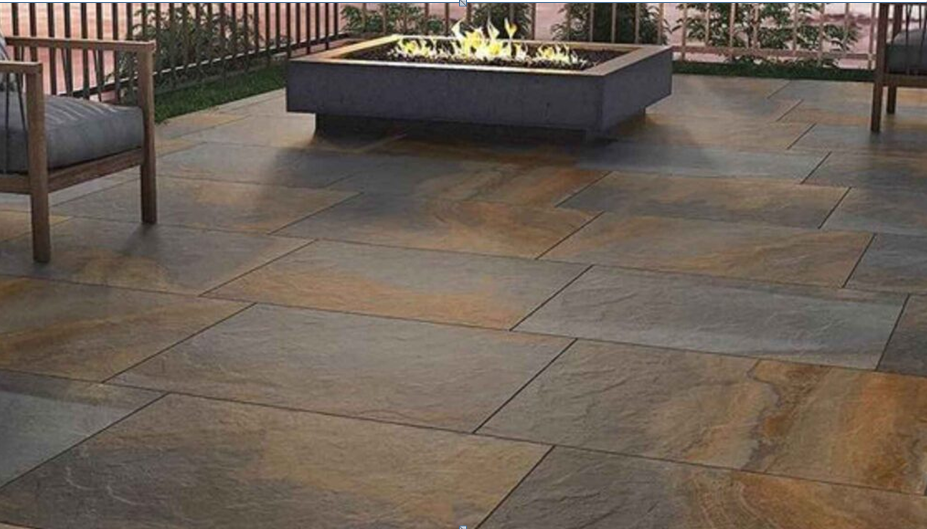
Designing outdoor spaces often comes with a key concern of how to keep them safe without compromising on style. With constant exposure to rain, dust, sunlight, and frequent movement, ordinary flooring can quickly become slippery and unreliable. This makes outdoor areas risky, especially for children, elders, and guests. Anti-skid and non-slip outdoor tiles address this challenge by offering better grip along with durable, weather-resistant finishes. Designed for modern homes, these tiles help create outdoor spaces that feel secure, comfortable, and visually appealing, no matter how active or exposed they are.
What Makes Anti-Skid and Non-Slip Tiles Different
Anti-skid tiles are designed with textured or rough surfaces that increase grip underfoot. This texture helps reduce slipping, especially when the surface is wet. On the other hand, non-slip outdoor tiles are engineered with finishes and materials that naturally resist slipping while still being comfortable to walk on.
Both types focus on safety, but they also support modern design needs. Today, safety tiles come in attractive colours, patterns, and finishes that blend easily with outdoor décor.
Why Outdoor Areas Need Extra Grip
Outdoor spaces are exposed to changing weather. During monsoons, even a small amount of water can turn smooth floors into accident zones. Driveways, garden paths, balconies, and staircases need tiles that hold firm even in the rain.
Using non-slip outdoor tiles helps create confidence while walking. This is especially helpful for homes with children, elderly family members, or frequent visitors. The right tile surface ensures stability without making the floor feel harsh or uncomfortable.
Materials That Work Best Outdoors
Material choice plays a big role in safety and durability. Vitrified tiles are commonly used outdoors because they are dense, strong, and absorb very little water. This makes them ideal for patios, terraces, and parking areas.
Stone-inspired finishes and concrete-look tiles are also popular. They offer a natural grip and a modern look at the same time. Mosaic styles work well in smaller outdoor zones because grout lines add extra traction.
Textures and Finishes That Improve Safety
Texture is the key feature of anti-skid tiles. Matte and rough finishes create friction between the tile and your foot. This friction helps prevent slips even when the surface is wet.
Smaller tile sizes can also help improve grip. More grout lines mean more traction, making them suitable for balconies and wash areas. Larger tiles work well in open outdoor spaces when they have the right anti-skid surface.
Colour Choices That Balance Style and Practicality
Outdoor tiles should be easy to maintain. Darker shades like grey, brown, and black hide dirt, water marks, and stains better. Lighter shades like cream and soft white create a bright and open look, but work best in covered outdoor areas.
Natural, earthy colours blend well with gardens and open spaces. These shades give a calm and welcoming feel while supporting safety needs.
Where You Can Use Anti-Skid and Non-Slip Tiles
Balconies benefit greatly from anti-skid tiles because they are often exposed to rain and dust. Textured surfaces ensure steady footing without compromising comfort.
Terraces and patios need tiles that handle sun and rain equally well. Non-slip outdoor tiles help keep these spaces usable throughout the year.
Parking areas require strong tiles that can handle heavy loads. Anti-skid surfaces here help prevent vehicle slipping and make walking safer.
Staircases need extra attention. Tiles with enhanced grip reduce the risk of falls while moving up or down.
Design Meets Safety
Safety tiles no longer look dull. Modern designs include stone looks, subtle patterns, and warm textures that add visual interest. Outdoor floors can now match the overall theme of the home without looking purely functional.
For example, premium collections from Simpolo Tiles & Bathware, like Terra Duro, work well in wet areas with their balanced texture. Rockdeck tiles add strength and grip to outdoor zones like patios and terraces. Copos step tiles are a smart choice for stairs, offering both grip and a clean design.
How to Choose the Right Tile for Your Space
Start by identifying the area. Wet zones like balconies and terraces need a stronger grip. Covered patios can use tiles with moderate texture.
- Check slip resistance ratings if available. Higher ratings mean better safety in wet conditions.
- Think about maintenance. Textured tiles may need slightly more cleaning, but regular care keeps them looking fresh.
- Match the tile colour and finish with your outdoor furniture and walls. This creates a smooth visual flow between spaces.
- Tile size also matters. Smaller tiles feel more secure in compact areas, while larger tiles make open spaces feel spacious.
Easy Maintenance for Long-Lasting Safety
Regular sweeping removes dust and grit that can reduce grip. Clean spills quickly using mild soap and water. Avoid harsh chemicals as they can wear down the surface texture over time.
Check grout lines occasionally, especially in wet areas. Well-maintained grout supports grip and keeps tiles stable.
With simple care, anti-skid tiles and non-slip outdoor tiles can stay safe and stylish for years.
Conclusion
Outdoor spaces are meant to be lived in. Morning walks, evening conversations, and weekend gatherings should never come with safety worries. With the right flooring choice, outdoor areas become extensions of the home that feel welcoming and dependable.
Anti-skid tiles and non-slip outdoor tiles help turn everyday movement into a relaxed experience. They quietly do their job while letting your outdoor style shine, making every step feel steady, and every space feel complete.
Home Improvement
Entrance Doors for Indian Homes: How TOSTEM Combines Style, Safety & Weather Protection
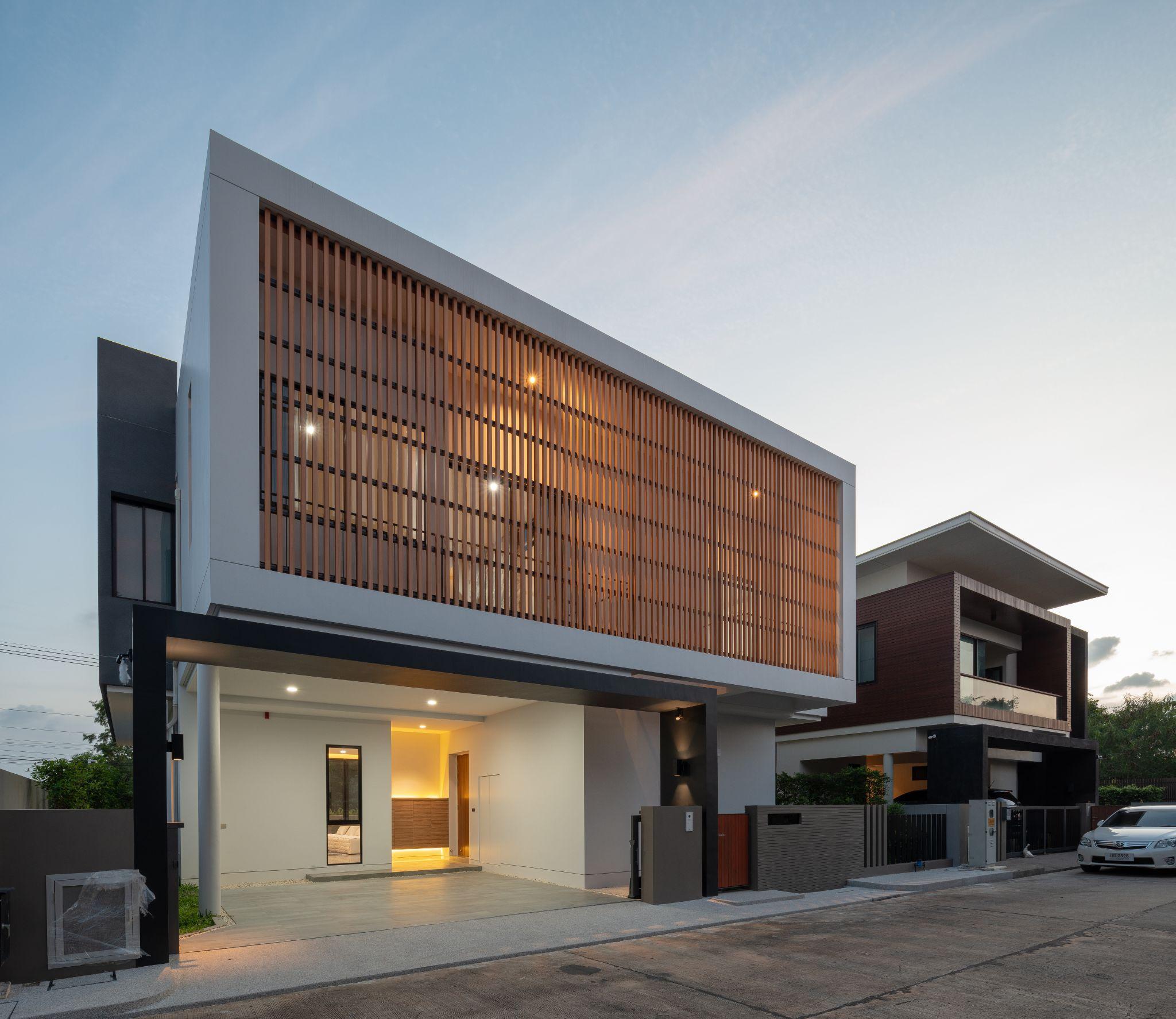
Entrance doors play an important role in shaping the look and feel of Indian homes, while also providing daily security and protection from the weather. As homeowners seek options that are strong, long-lasting, and visually refined, the demand for well-engineered solutions continues to rise. TOSTEM meets these needs with aluminium entrance doors designed for India’s diverse climates and modern living standards. With a balance of style, safety, and reliable performance, they set a strong foundation for homes that value quality and durability.
Understanding the Needs of Indian Homes
India’s housing conditions vary widely, and each region brings its own challenges. Homes must cope with Mumbai’s coastal humidity, Delhi’s dry heat, and the heavy rains of the North East, which makes durability and all-season performance essential.
- Climate resilience: Standard doors often swell in the monsoon or fade under harsh sunlight. Indian homes need doors that stay steady and functional throughout the year.
- Security needs: Safety remains a major priority. Homeowners look for doors that can withstand forced entry attempts while still maintaining a clean, welcoming appearance.
- Design flexibility: With so many architectural styles across the country, a single design cannot suit every home. Whether it’s a sleek apartment, a heritage-style bungalow, or a home with elegant french windows that let in light and air, versatility matters. TOSTEM doors and matching window solutions ensure a cohesive, stylish look throughout the house.
TOSTEM meets these expectations by moving away from materials like wood or uPVC, which wear out over time, and using high-grade aluminium that delivers long-lasting strength, stability, and refined aesthetics.
TOSTEM’s Solution: A Perfect Blend
TOSTEM’s entrance doors are not just manufactured; they are engineered. By integrating advanced Japanese technology with an understanding of local requirements, these doors offer a holistic solution for premium homes.
The core advantage lies in the material. Aluminium is significantly stronger than uPVC and far more durable than wood. It does not warp, rot, or rust. TOSTEM elevates this material further with pre-engineered systems, often referred to as “Window in a Box.” This ensures that every component is factory-tested for performance before it even reaches your doorstep, guaranteeing that the door functions exactly as intended.
Whether you are looking for a sturdy steel entrance door, a sleek aluminium entry, or coordinated French windows that enhance natural light and ventilation, TOSTEM provides solutions that tick every box: durability, security, and design excellence.
Safety and Security
When it comes to your main entry, there is no room for compromise on security. TOSTEM entrance doors are built to provide peace of mind.
- Advanced locking systems: TOSTEM doors feature high-security mechanisms, including crescent locks and multi-point locking. These locks are built into the door frame, making them far harder to pick, break, or force open compared to standard latches.
- Strong structural design: The high-grade aluminium profile provides natural resistance against impact. The doors are tested to withstand considerable physical force, and the use of safety glass ensures that even glass panels remain a strong protective barrier.
- Tested to global standards: TOSTEM follows recognised testing benchmarks, including JIS (Japanese Industrial Standards) and ASTM. These certifications confirm that every security feature is backed by verified, international-level performance.
Must Read:- 7 French Door Design Ideas
Weather Protection
India’s climate can be harsh, and your front door takes the brunt of it. TOSTEM doors are engineered to perform under extreme conditions.
- Watertight Performance: Leaking doors are a common concern during the Indian monsoon, but TOSTEM doors are designed to prevent this. Their smart drainage systems, including non-return valves, effectively channel rainwater away, preventing seepage indoors even during heavy downpours.
- Wind Load Resistance: For high-rise apartments or homes in coastal areas, wind pressure is a real concern. These doors are tested to withstand wind loads of up to 2000 Pascals, ensuring they don’t rattle or deform during storms.
- Thermal Insulation: The doors are designed to maintain comfortable indoor temperatures through smart system design and tight gasket sealing. This helps reduce heat transfer, keeping your home cooler in hot weather and lowering the load on air conditioning, without relying on aluminium itself for insulation.
- Sound Insulation: With noise pollution rising in urban areas, TOSTEM doors provide effective noise reduction, keeping the chaos of the street outside and ensuring your home remains a quiet sanctuary.
Why Choose TOSTEM?
Choosing TOSTEM for your entrance means investing in quality that lasts.
- Japanese Innovation: You benefit from decades of engineering expertise.
- Low Maintenance: A simple wipe-down is all it takes to keep the door looking new.
- Certified Quality: With recognitions such as the iF Design Award 2019 and the Red Dot Award 2021, you are choosing a globally acclaimed product.
- Sustainability: Aluminium is fully recyclable, making it an eco-friendly choice for the environmentally conscious homeowner.
Conclusion
TOSTEM entrance doors bring together the essential qualities Indian homeowners value most: durability, security, and all-weather performance. By combining advanced Japanese engineering with materials built to withstand India’s diverse climate, these doors offer long-term reliability without compromising on aesthetics. Their sleek designs, strong structural integrity, and globally tested performance make them a dependable addition to any modern home. For those seeking an entrance door that enhances both everyday comfort and overall home value, TOSTEM provides a solution that delivers confidence, convenience, and timeless quality.
-

 Business3 months ago
Unique New York-Inspired DIY Christmas Gift Ideas
-

 Entertainment3 months ago
mkvmoviespoint: Your Ultimate Destination for Free Movies and TV Shows
-
 Blog3 months ago
هنتاوي Com: Revolutionizing Online Learning in the Arab World
-

 Education3 months ago
Why Discipline Matters: Understanding Its Importance in a Student’s Life
-

 Technology4 months ago
How Generative AI Is Transforming Creative Industries
-

 Entertainment2 months ago
ibomma1.com: Your Gateway to the Latest Telugu Movies
-
 Entertainment3 months ago
Movierulz 2024: The Ultimate Guide to Streaming Movies Safely
-

 Entertainment3 months ago
Filmy4Wep: Your Ultimate Destination for Free Movies and Shows